OEM Sourcing · Oct 5, 2026
Bulk and Wholesale Microneedle Patch Sourcing Checklist
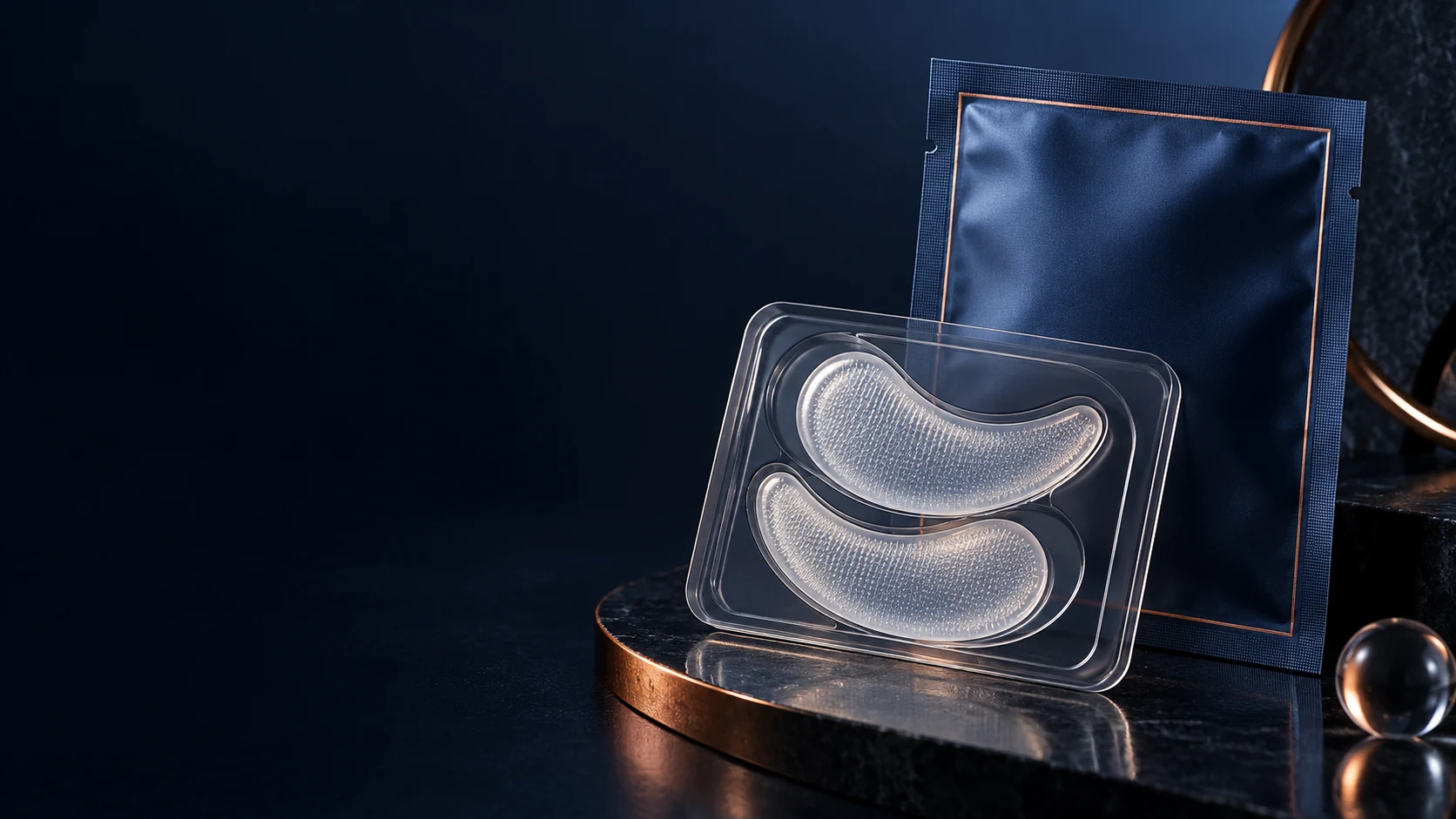
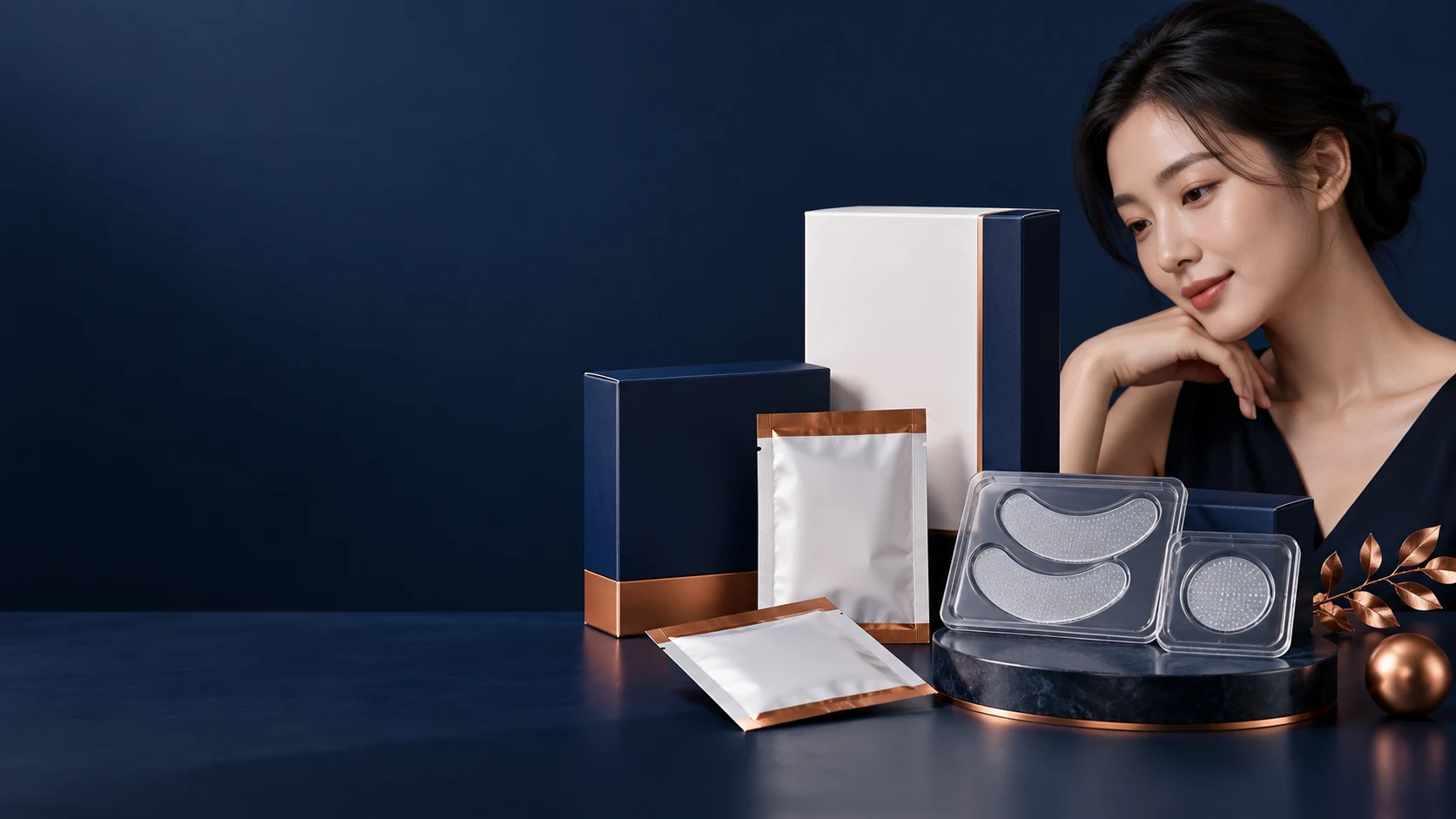
Bulk sourcing works best when the product version, packaging, release requirements and commercial responsibilities are all defined.
Read the guide ↗
CDMO · OEM · ODM · CRO · PRIVATE LABEL
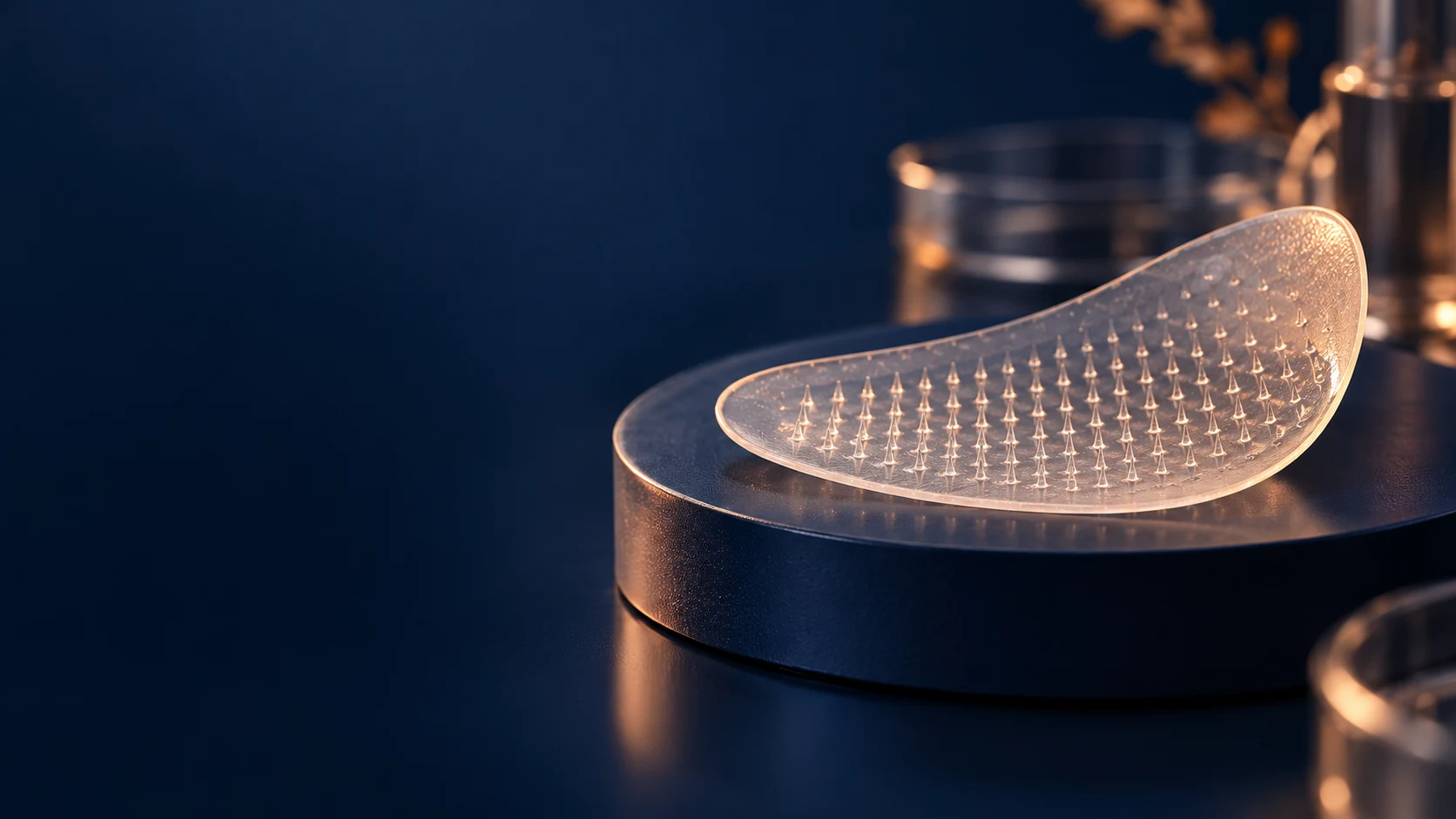
Practical guides for skincare brands, formulation teams and buyers. From soluble matrices and array design to packaging, supplier selection and commercial readiness.
Cosmetic-oriented development. Feasibility, safety evidence and target-market classification guide every project.
Clear project questions, documented development decisions and useful context for your next cosmetic microarray product.
Bulk sourcing works best when the product version, packaging, release requirements and commercial responsibilities are all defined.
Read the guide ↗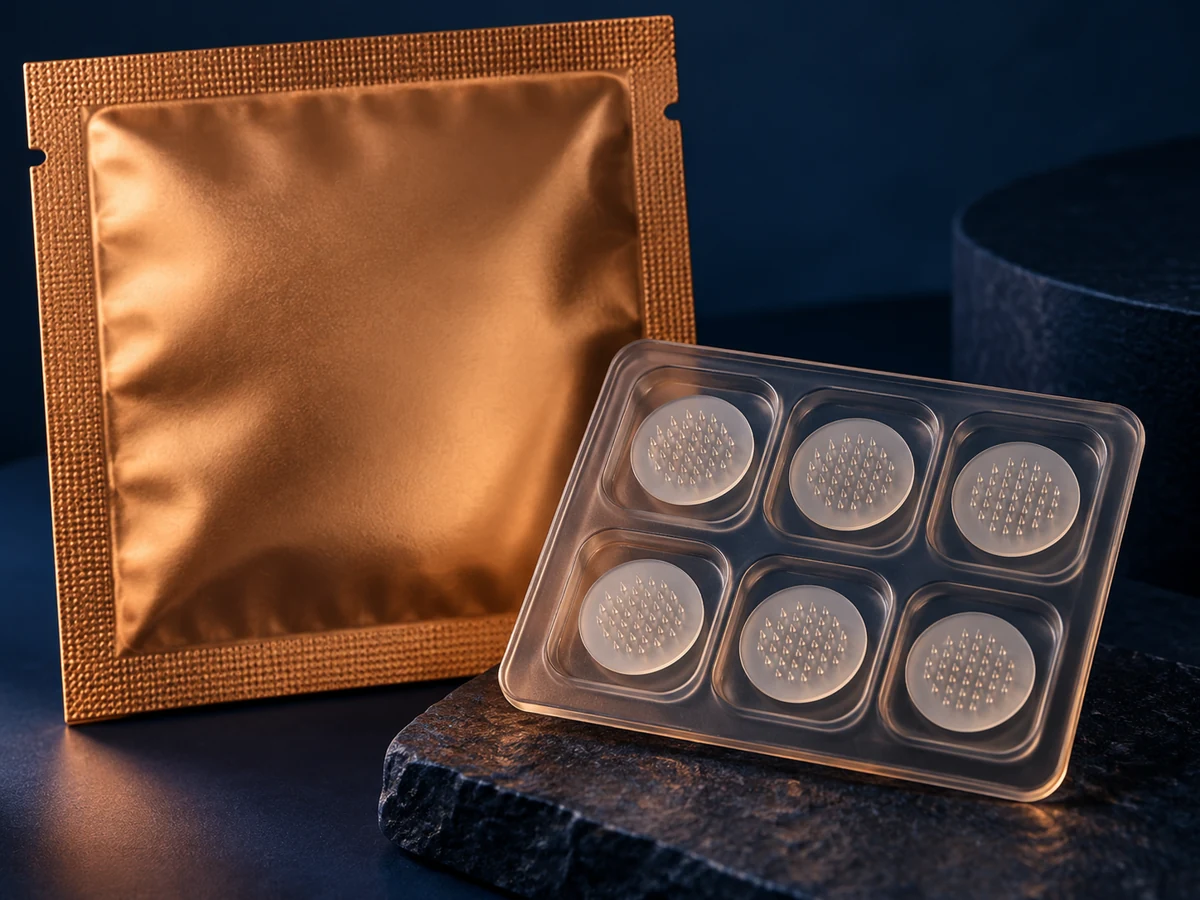
Different patch structures answer different development questions. A useful comparison does not assume one format is universally more effective.
Read the guide ↗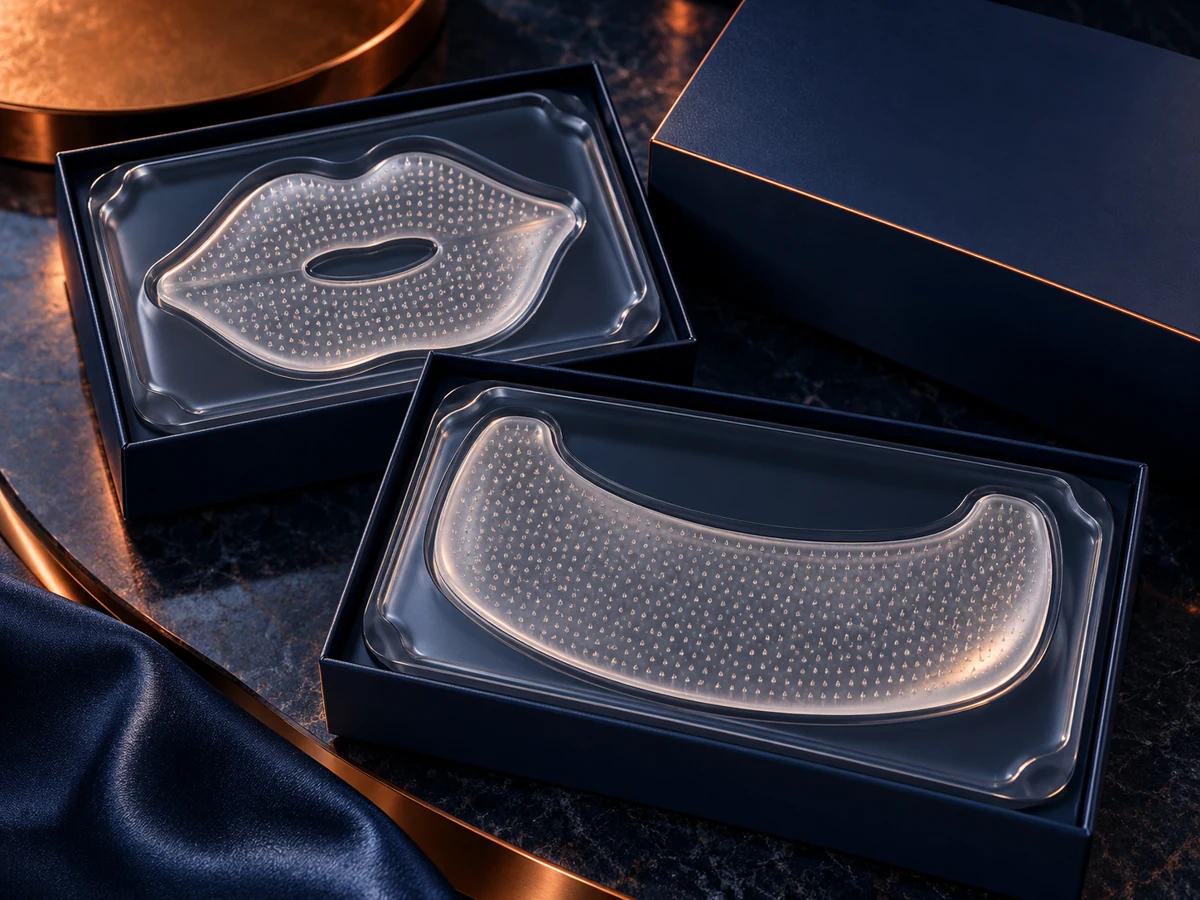
A body-area patch should be designed for a defined application, contact area and handling context, rather than scaled from an eye patch without review.
Read the guide ↗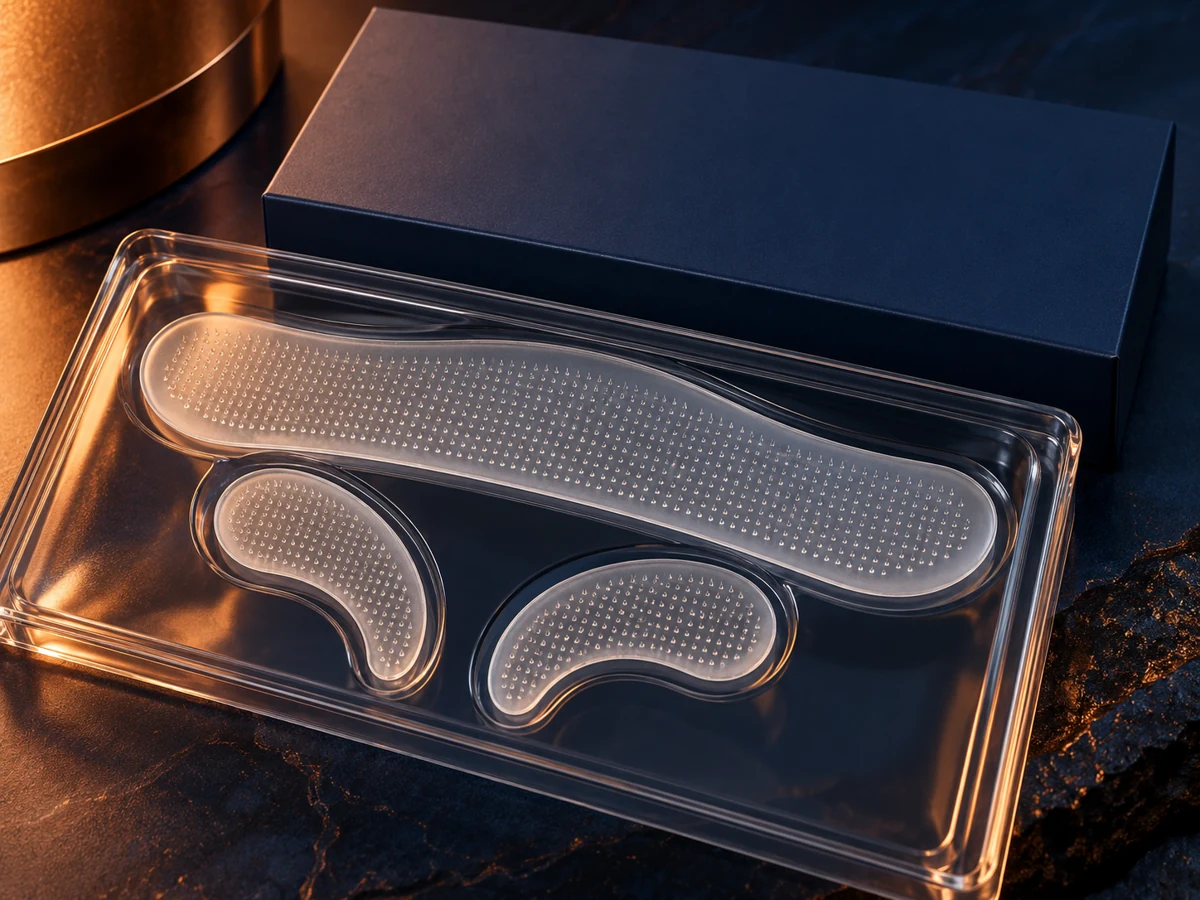
Appearance-focused marketing should be tied to the actual finished product and should avoid unsupported treatment or tissue-change implications.
Read the guide ↗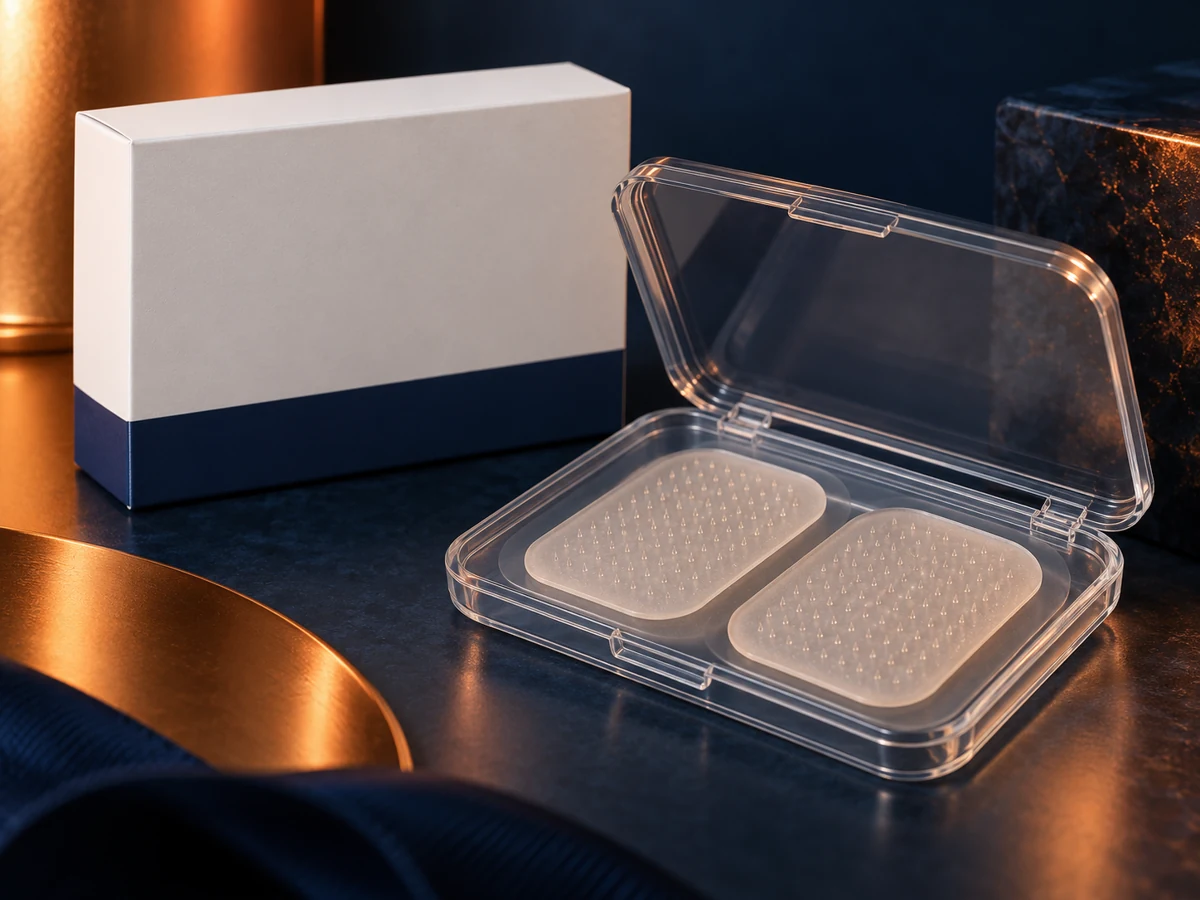
Finished-product instructions should follow an appropriate safety and usability review. This website does not publish universal consumer application instructions.
Read the guide ↗A cosmetic-oriented development brief does not establish cosmetic status in every market. Intended use, claims and design require a regional review.
Read the guide ↗
Service labels are useful starting points, but the contract should define technical deliverables, ownership and manufacturing responsibilities.
Read the guide ↗
A pilot batch should answer defined process and packaging questions before the project moves into a commercial manufacturing commitment.
Read the guide ↗A microneedle patch package should protect the structure and formula while supporting handling, batch identity and market-ready labeling.
Read the guide ↗Microbiological quality and sterile status are distinct questions. A sterile label requires evidence beyond ordinary cosmetic hygiene controls.
Read the guide ↗Sustainability and ethical-positioning claims need defined evidence, clear scope and a review of the complete supply chain.
Read the guide ↗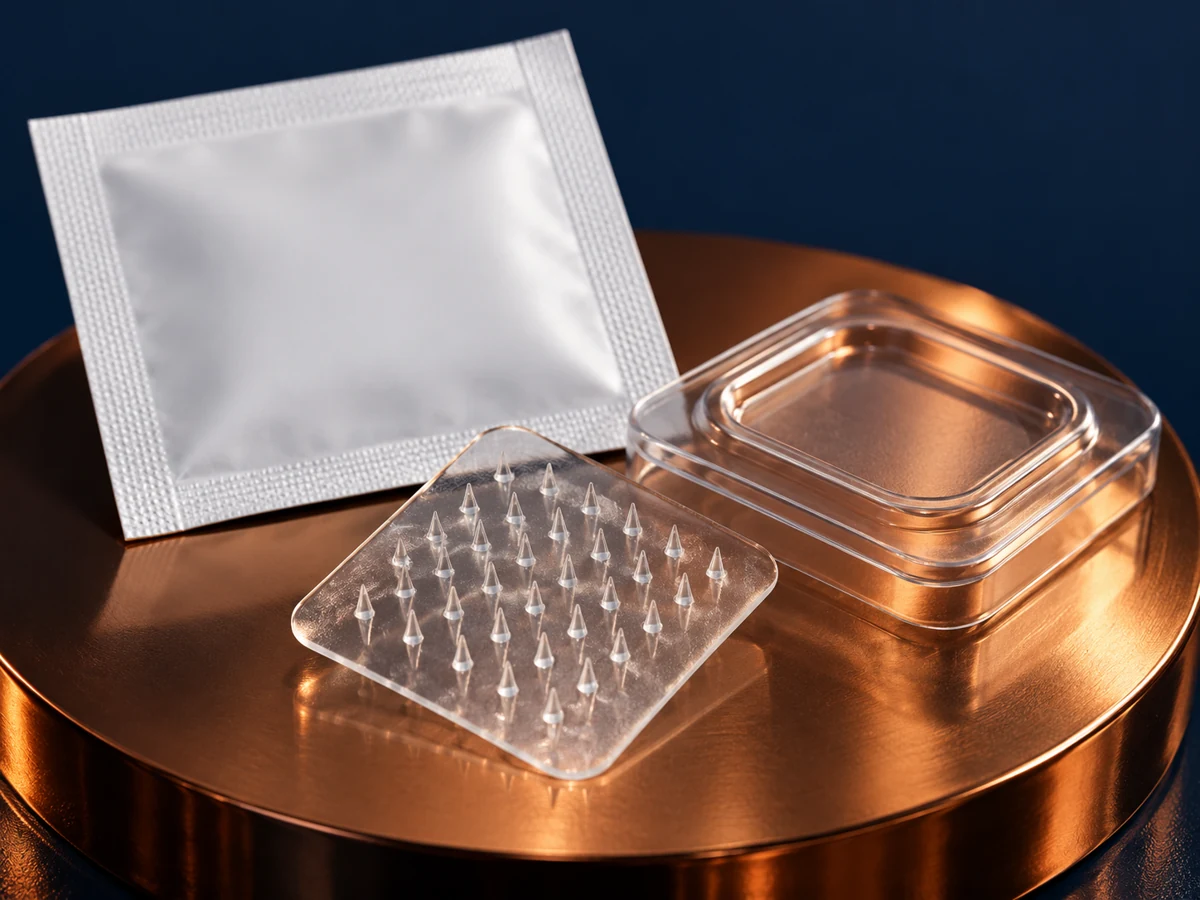
A polymer matrix should be selected through compatibility and product-specific evaluation, rather than a general material ranking.
Read the guide ↗Patch contour should follow the application and handling needs while staying connected to array design and protective packaging.
Read the guide ↗
Projection height and pin count should be interpreted within the complete patch design, evidence plan and target-market classification.
Read the guide ↗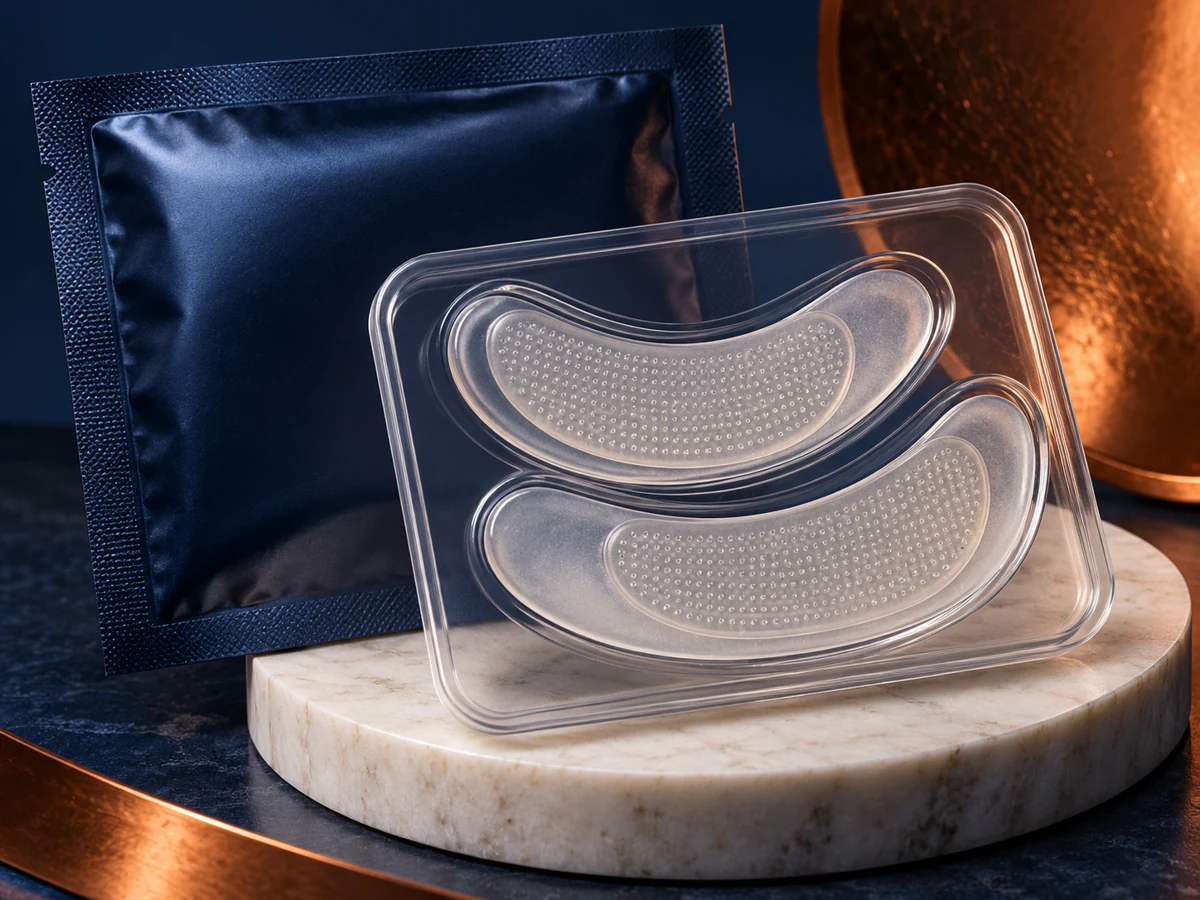
Eye-area ingredient concepts require a careful review of placement, product design and finished-formula evidence.
Read the guide ↗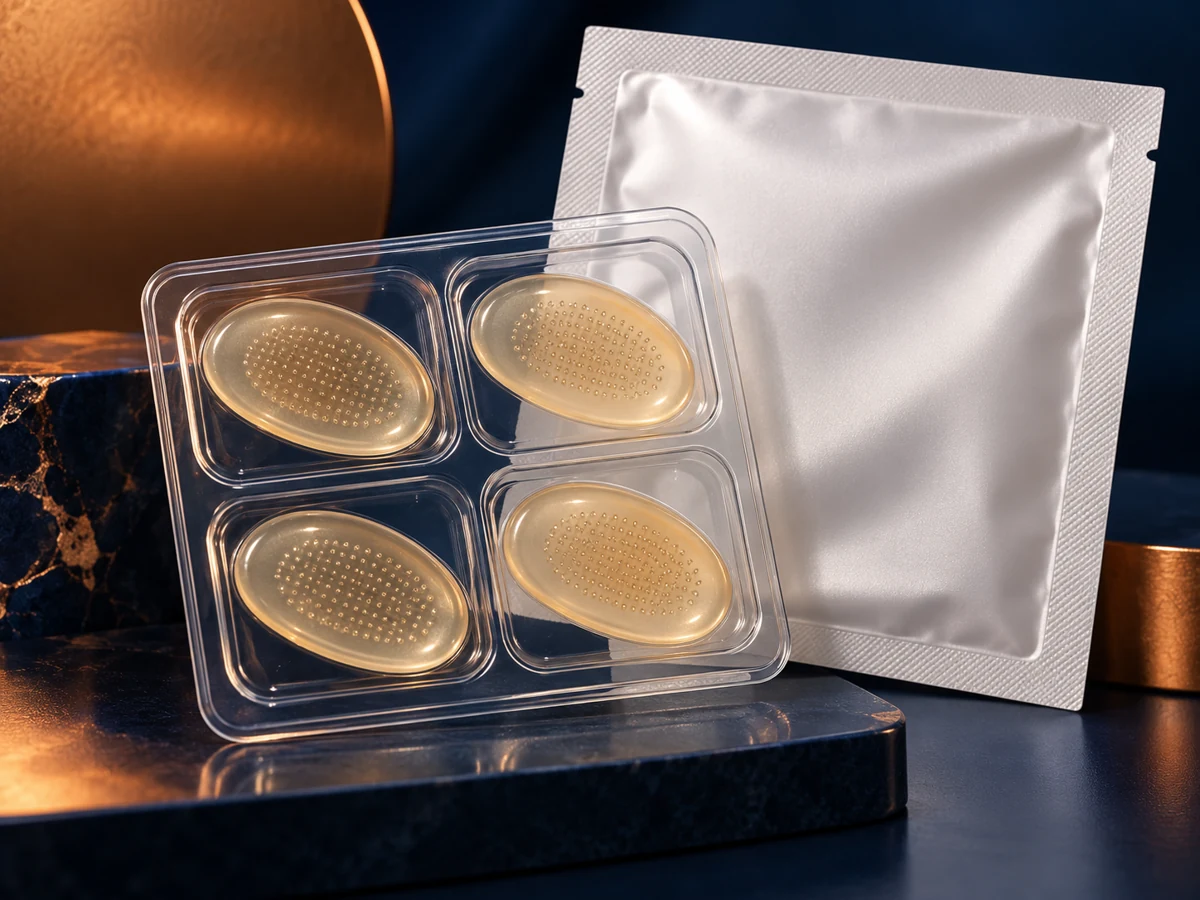
Sensitive cosmetic ingredients should follow an individual feasibility review rather than be transferred unchanged from a serum.
Read the guide ↗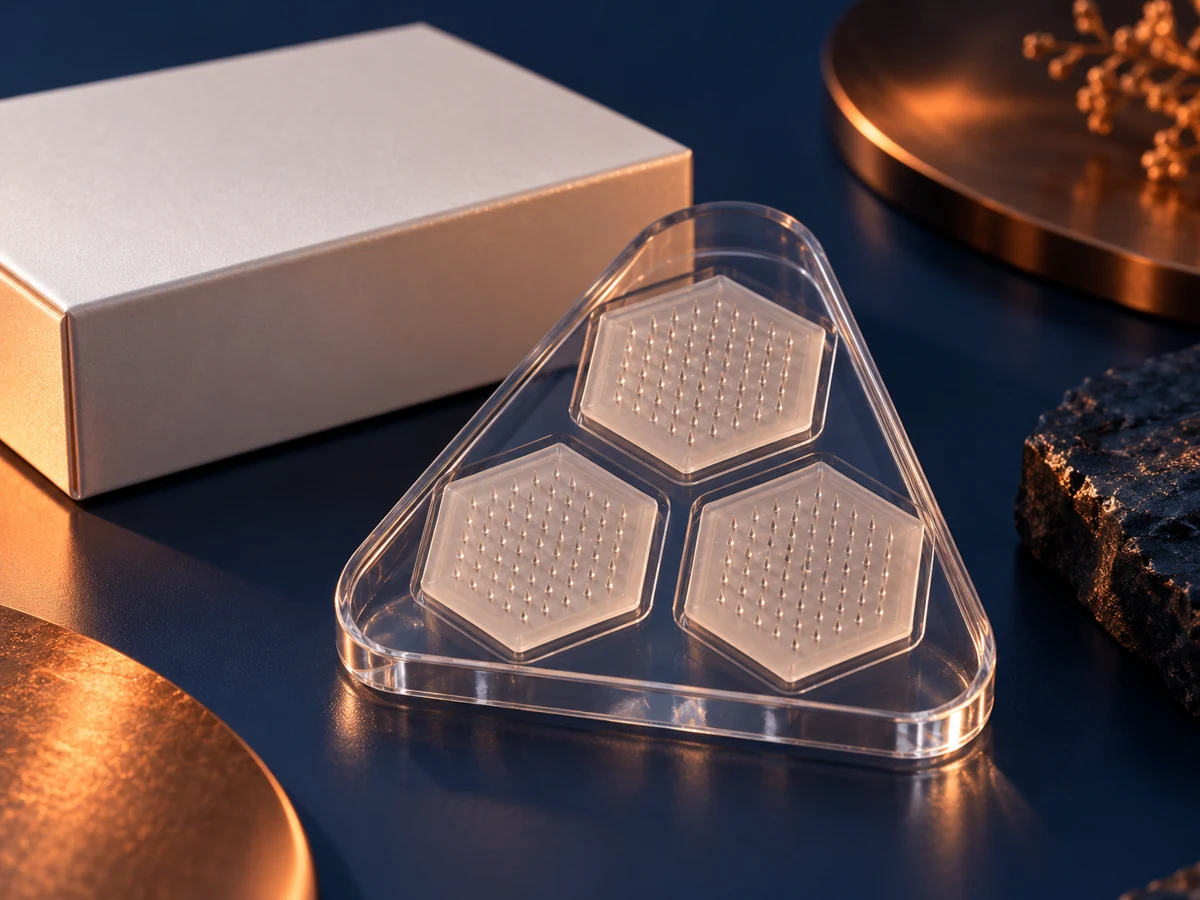
A multi-peptide blend needs a rationale for each ingredient and a clear plan to assess the complete formulation.
Read the guide ↗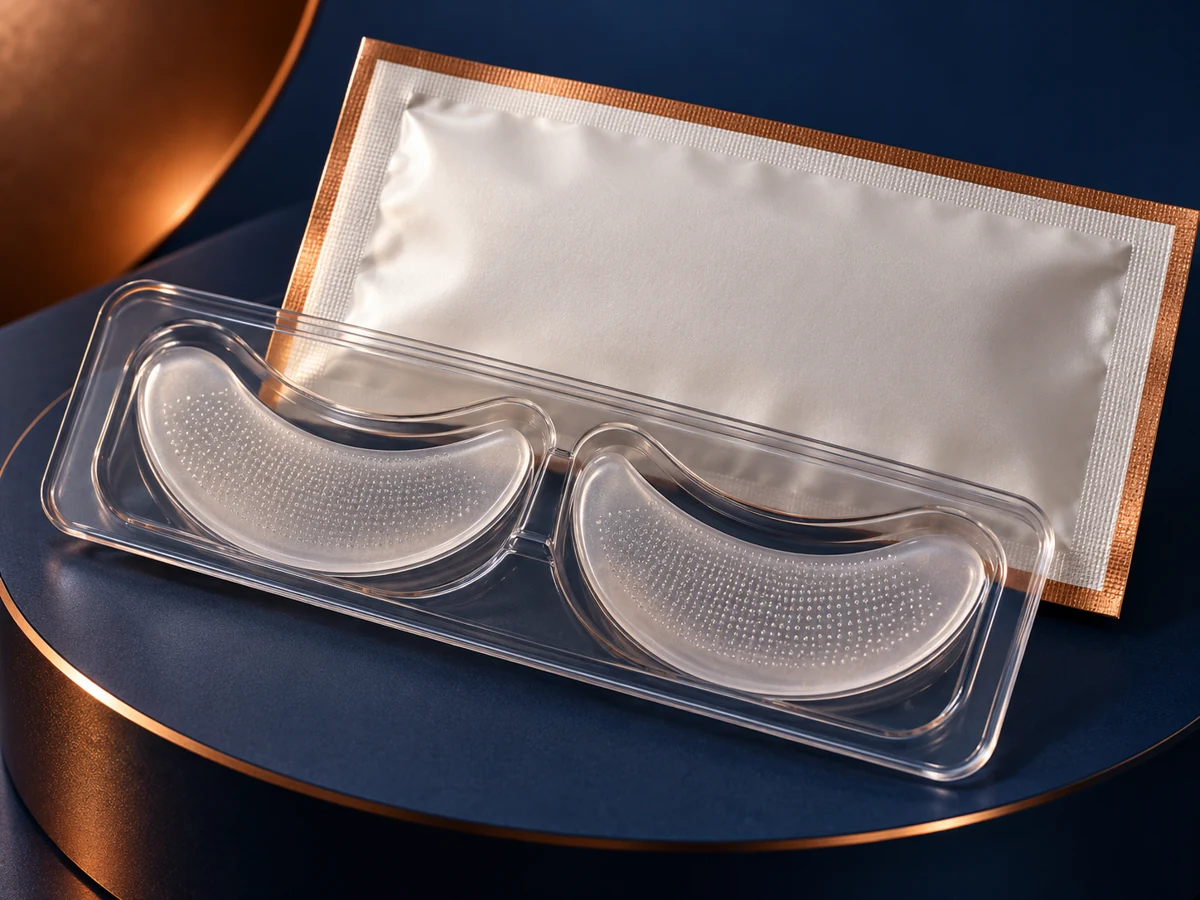
Different cosmetic peptides introduce different formulation and documentation questions for a soluble microarray.
Read the guide ↗
A GHK-Cu microneedle concept should start with ingredient identity and a defined matrix-compatibility brief.
Read the guide ↗A hyaluronic acid matrix is a development candidate, rather than a complete finished-patch specification.
Read the guide ↗Start with a clear application, target market and evidence plan. A staged development brief helps a skincare startup compare private-label options and control commitments.
Read the guide ↗A microneedle patch quality plan combines material, structural, formulation and packaging checks with agreed specifications and traceable records.
Read the guide ↗A supplier review should connect technical capability, verifiable documents, prototype support, quality scope and clear commercial responsibilities.
Read the guide ↗A dissolvable patch and a microneedling device differ in structure and use context. Neither term alone establishes classification, suitability or comparative performance.
Read the guide ↗Mold cost and prototype timing depend on geometry, tooling requirements, revision scope and approval gates. The quote should make those assumptions visible.
Read the guide ↗Stability planning considers the microarray, ingredient system and final protective package together. Shelf-life and storage statements require evidence for the actual product.
Read the guide ↗Microneedle patch MOQ depends on the development stage, tooling, formulation, packaging and validation scope. Prototype, pilot and commercial quantities should be quoted separately.
Read the guide ↗Peptides, hyaluronic acid and other cosmetic ingredient directions can be evaluated for soluble microarrays. Suitability depends on the complete formula, process, package and market.
Read the guide ↗A soluble microarray changes through moisture interaction. The product’s geometry, matrix and use conditions determine what must be tested before any release or performance claim.
Read the guide ↗A dissolvable microneedle patch is a structured patch with small soluble projections. A brand project must evaluate its matrix, geometry, use conditions and market classification.
Read the guide ↗Share the application, ingredient direction, target market and expected volume. We’ll turn your brief into a clear development conversation.