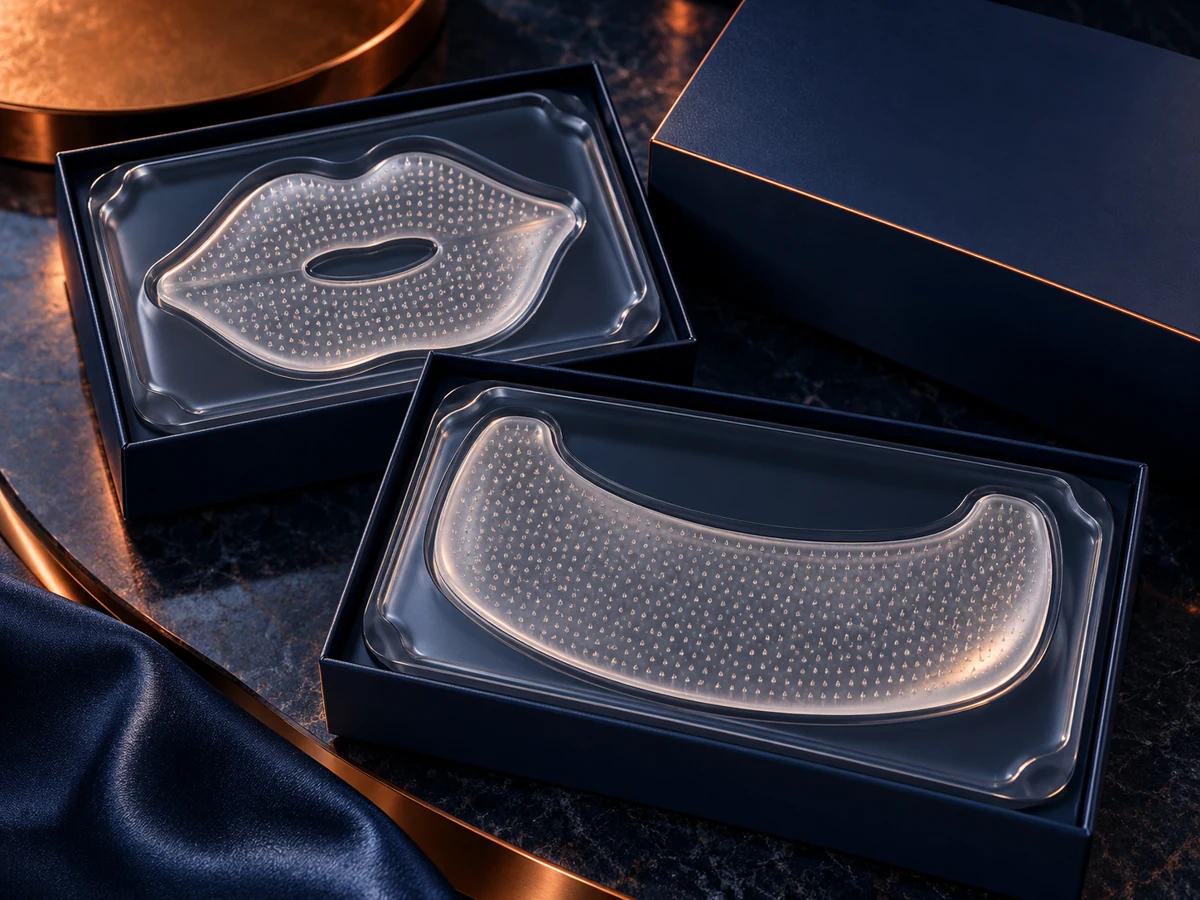
Mold cost and prototype timing depend on geometry, tooling requirements, revision scope and approval gates. The quote should make those assumptions visible.
When custom tooling is relevant
A unique outer contour, array arrangement or projection geometry may require new tooling. Existing tooling can be a practical starting option, subject to feasibility and rights to use it. A supplier should identify which changes can be made within the proposed platform.
A custom microneedle mold manufacturer should clarify the tool’s purpose, expected deliverables and version control. Do not treat a mold quotation as confirmation that the complete product is ready for manufacturing.
Cost follows the definition of the work
Geometry, dimensional review, tooling material, protective package fit and revision rounds can influence cost. The contract should state what is included, who approves the design and how additional work is handled.
Ask about ownership, storage, maintenance and access to design records. A custom microneedle patch mold cost is incomplete without those responsibilities. Commercial confidentiality also matters when a brand seeks an exclusive contour or array.
Timing follows decisions and evaluation
A development schedule can cover brief approval, design review, tooling work, prototype evaluation and revisions. Formula or package changes can introduce additional review. An agreed timeline should identify which dependencies are within the supplier’s control.
How long for a microneedle patch prototype? A meaningful answer requires a brief and a defined evaluation scope. The website does not publish an unverified fixed turnaround or guarantee that the first tool produces an approved commercial patch.
A sensible first project question
Ask whether a current format can answer the immediate development question before investing in exclusive tooling. The choice depends on the application and product differentiation rather than a universal rule that custom work is always better.
Connect tooling decisions to formulation, handling and protective packaging. A successful geometry alone cannot resolve ingredient compatibility, shelf-life or target-market classification.
Prepare your next project conversation
A useful starting brief identifies the application, target market, ingredient direction, expected quantity and current development stage. Ask which assumptions have been tested, which documents are available and which decisions remain open. Commercial commitments should follow an agreed technical scope.
Explore custom microneedle solutions and R&D and manufacturing planning. For a specific requirement, send a non-confidential project brief.
Common project questions
What should a brand clarify before starting this project?
Define the application, target market, ingredient direction, quantity and project stage. Ask which evidence is available and which questions the proposed work will answer.
Does this guide establish a finished-product claim?
No. The guide explains development considerations. Safety, performance, use instructions and classification require review for the actual finished design.
Development guidance is general. Feasibility, testing, intended use and target-market classification are assessed for each project. Images illustrate development concepts.