


Projection geometry
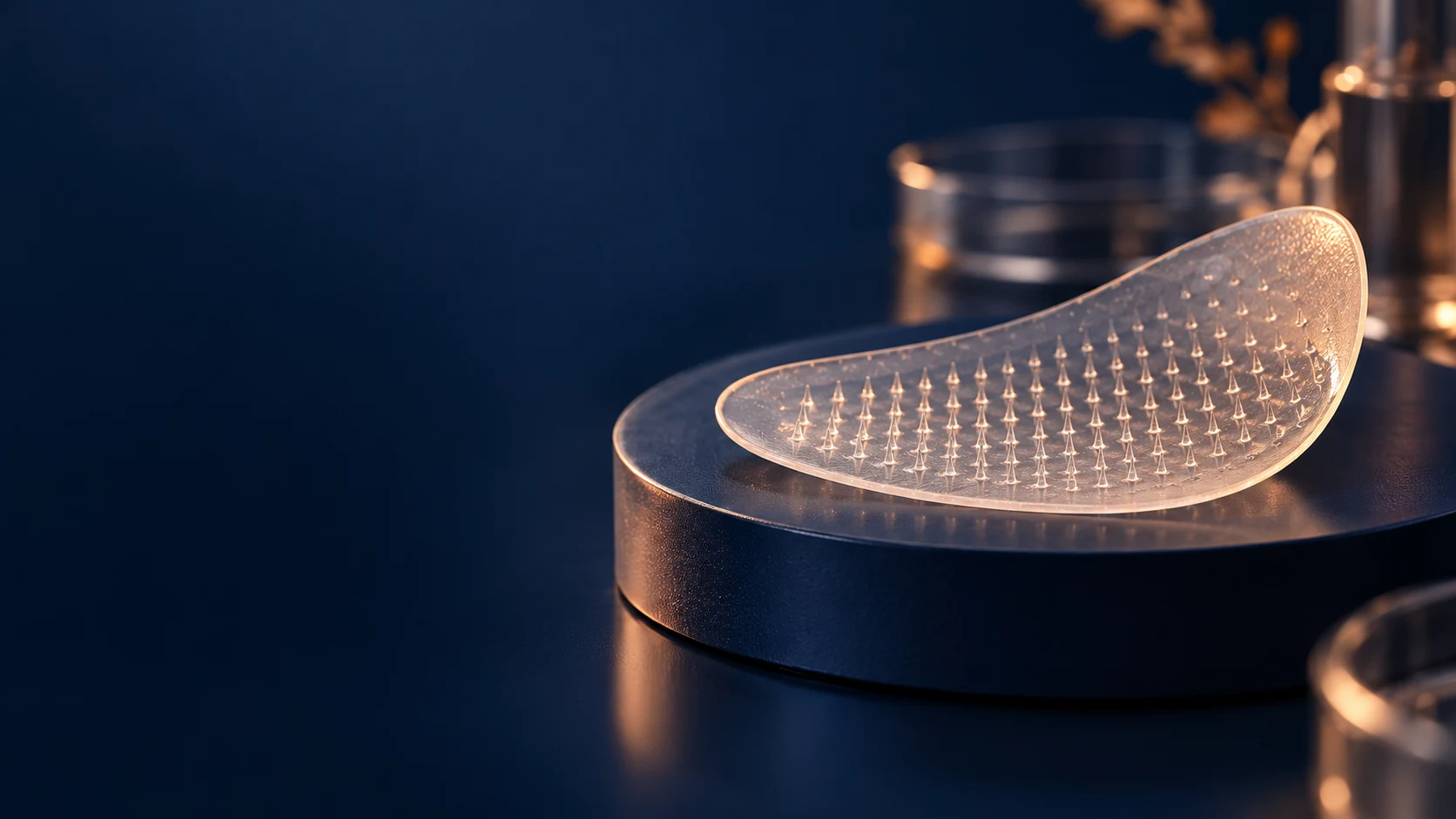
Height, base dimensions, tip shape and spacing are reviewed as part of the intended use, handling and safety assessment. No universal cosmetic-safe dimension is assumed.

CDMO · OEM · ODM · CRO · PRIVATE LABEL
Explore soluble matrices, cosmetic microarray design, formulation compatibility and quality planning for microneedle patch development.
Cosmetic-oriented development. Feasibility, safety evidence and target-market classification guide every project.
A dissolvable microneedle patch, also called a microdart or microarray patch, carries small molded projections formed from a soluble material. Depending on the design, cosmetic ingredients may be incorporated into the matrix or a selected part of the structure.
Water interaction changes the matrix over time. Geometry, formulation, handling and packaging influence that behavior. Observations from a laboratory model do not establish penetration depth, absorption or a visible cosmetic result in people.
Height, base dimensions, tip shape and spacing are reviewed as part of the intended use, handling and safety assessment. No universal cosmetic-safe dimension is assumed.
Needle count and pin density must be interpreted alongside patch area, projection consistency and usable contact area. More projections do not automatically improve a product.
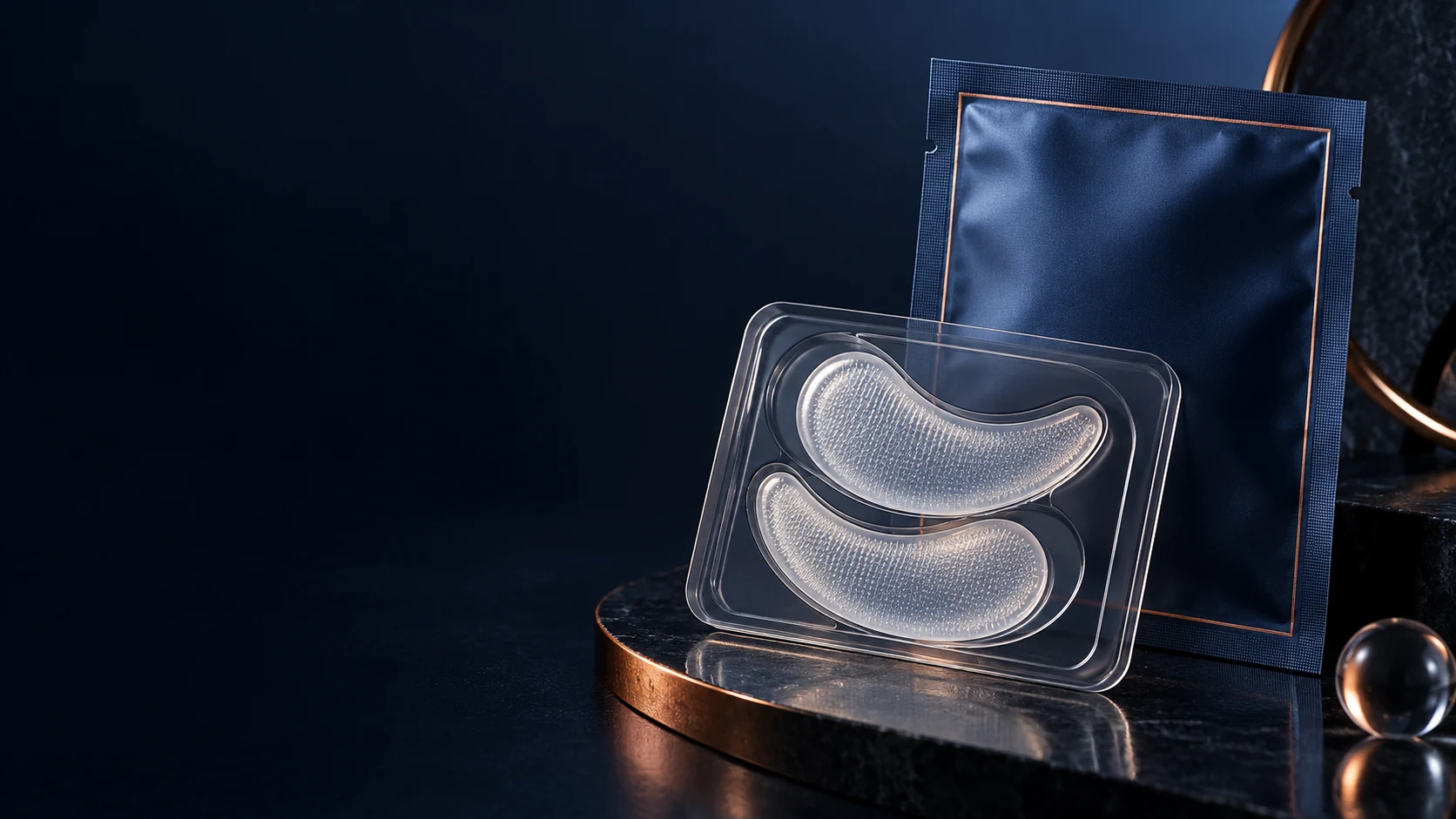
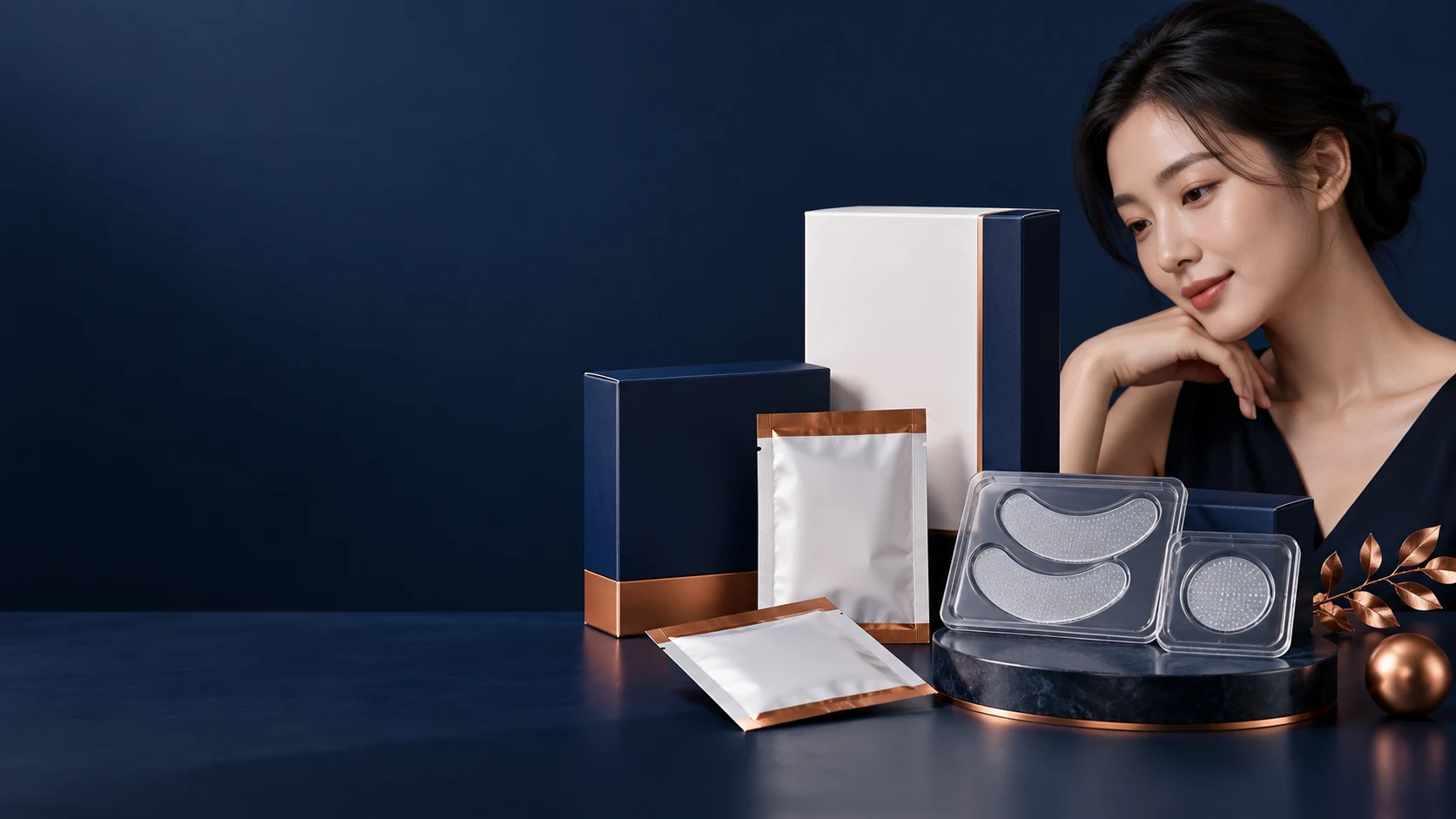
Contour, adhesive border, backing, protective tray and removal method must suit the application area and expected user experience.
Hyaluronic acid and other suitable soluble polymers can be discussed as matrix candidates. Peptides, niacinamide, vitamin derivatives, caffeine and botanical ingredients each require their own compatibility and stability review. A familiar topical ingredient is not automatically suitable for a microarray product.
Ingredient identity, grade, sourcing records and destination-market restrictions guide the screening plan. Claims such as biodegradable, vegan or cruelty free need defined evidence and supply-chain documentation.
A molded soluble array changes when it interacts with moisture. The actual interaction with skin, ingredient release and user experience depend on the approved design. Laboratory dissolution observations do not establish absorption or clinical benefit.
No universal height is treated as automatically safe or cosmetic. Intended use, claims, structure and local rules must be reviewed together.
Peptide concepts can be evaluated, but compatibility, manufacturing exposure, ingredient identity and stability need project-specific testing.
Share the application, ingredient direction, target market and expected volume. We’ll turn your brief into a clear development conversation.