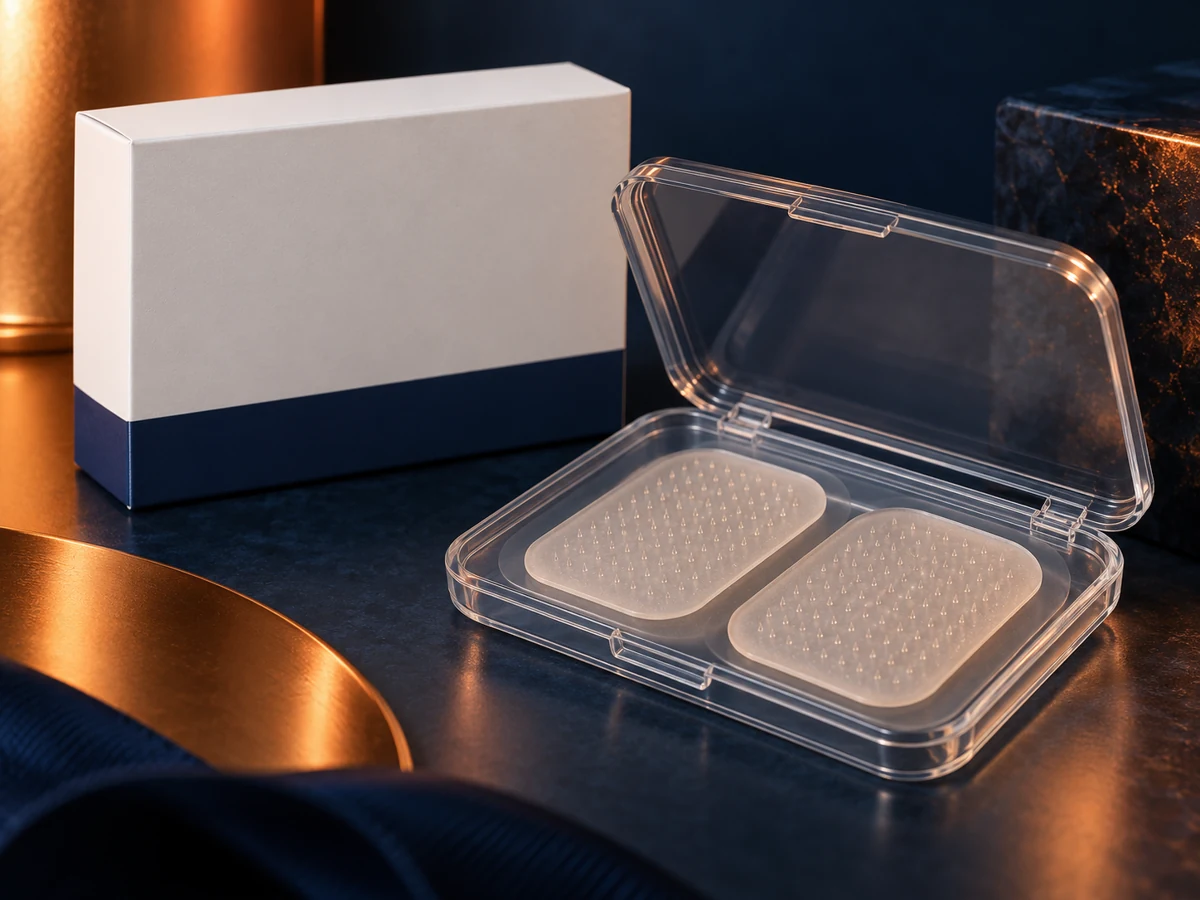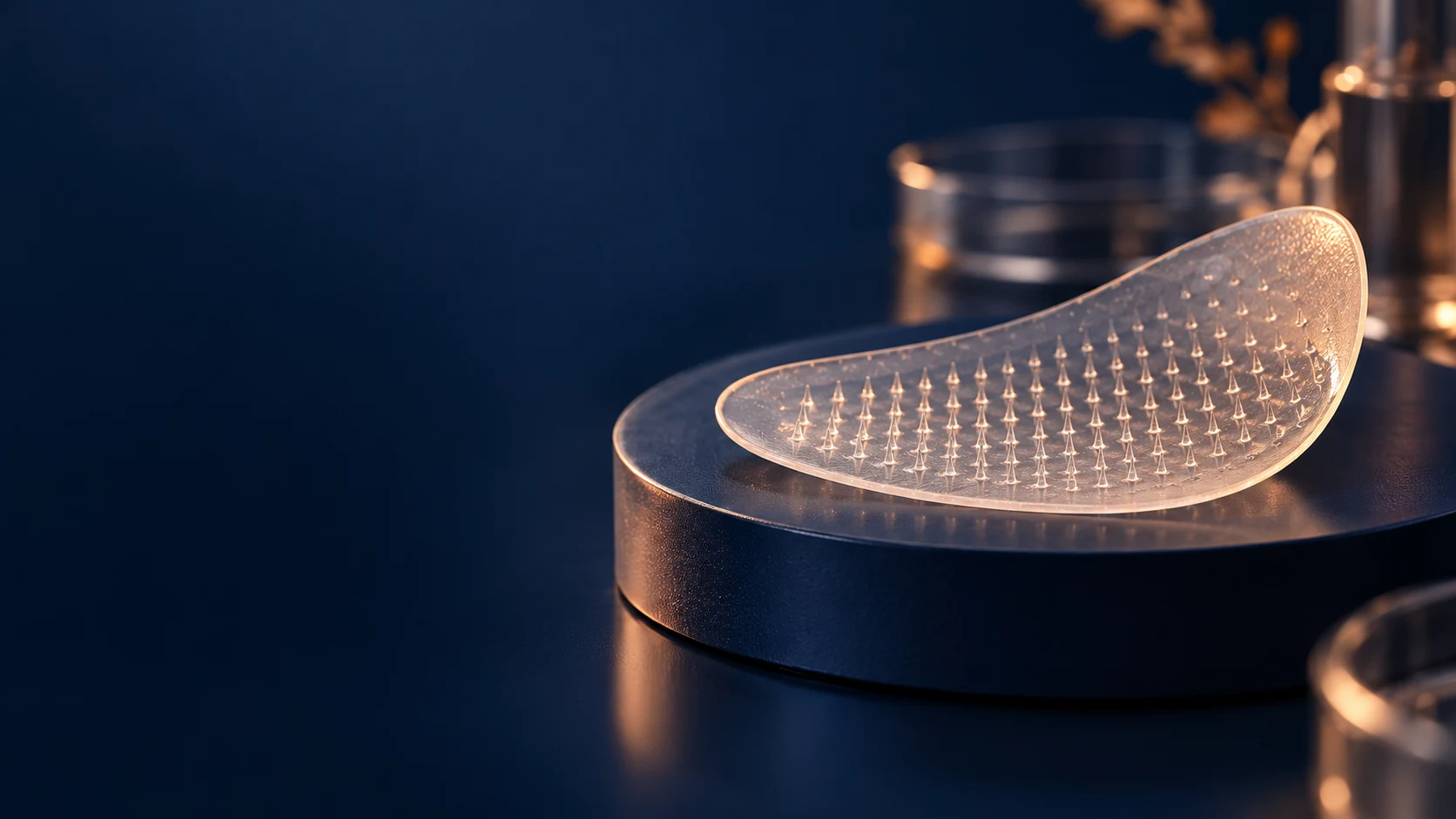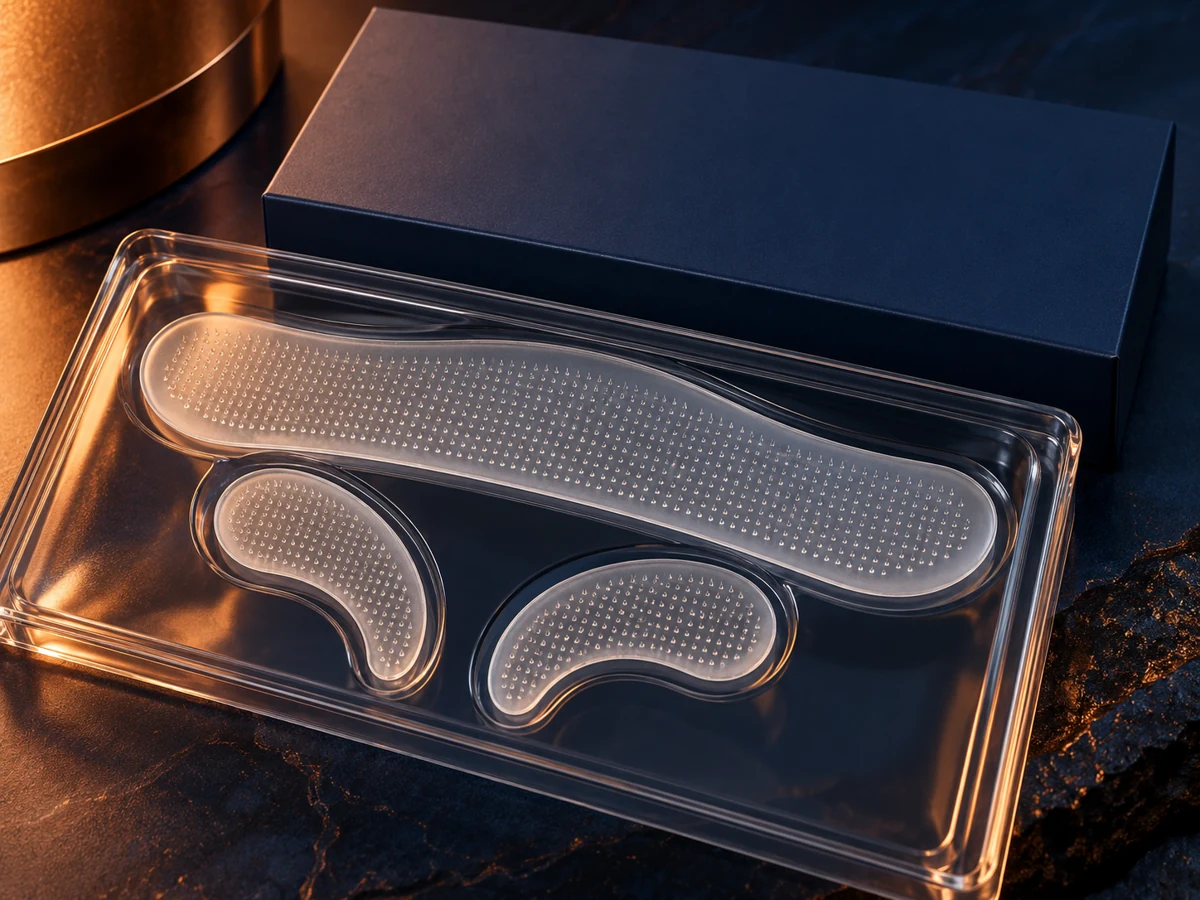
Appearance-focused marketing should be tied to the actual finished product and should avoid unsupported treatment or tissue-change implications.
Define the exact cosmetic claim
Can microneedle patches reduce wrinkles and are microneedle patches effective are questions about evidence, rather than an automatic benefit of the format. State the proposed outcome clearly and identify what study or assessment would support it.
Ingredient evidence has limits
Do microneedle eye patches work for dark circles? An ingredient’s background evidence is not a result for the finished patch. Matrix, application and use conditions differ. The claim review should identify which data applies to the final product.
Blemish and acne wording differ
Can microneedle patch treat acne is a treatment query that requires classification review. Cosmetic blemish-prone care positioning should not imply disease treatment. A microdart acne patch development discussion must begin with the intended use and destination rules.
Avoid implying structural repair
Skin firming microneedle patch, lifting microneedle patch and microneedle patch for sagging skin concepts require substantiation. Post-procedure repair, wound healing and tissue-rebuilding claims may raise different product-category questions. Keep the evidence and scope precise.
Prepare your next project conversation
A useful starting brief identifies the application, target market, ingredient direction, expected quantity and current development stage. Ask which assumptions have been tested, which documents are available and which decisions remain open. Commercial commitments should follow an agreed technical scope.
Explore custom microneedle solutions and R&D and manufacturing planning. For a specific requirement, send a non-confidential project brief.
Common project questions
What should a brand clarify before starting this project?
Define the application, target market, ingredient direction, quantity and project stage. Ask which evidence is available and which questions the proposed work will answer.
Does this guide establish a finished-product claim?
No. The guide explains development considerations. Safety, performance, use instructions and classification require review for the actual finished design.
Development guidance is general. Feasibility, testing, intended use and target-market classification are assessed for each project. Images illustrate development concepts.