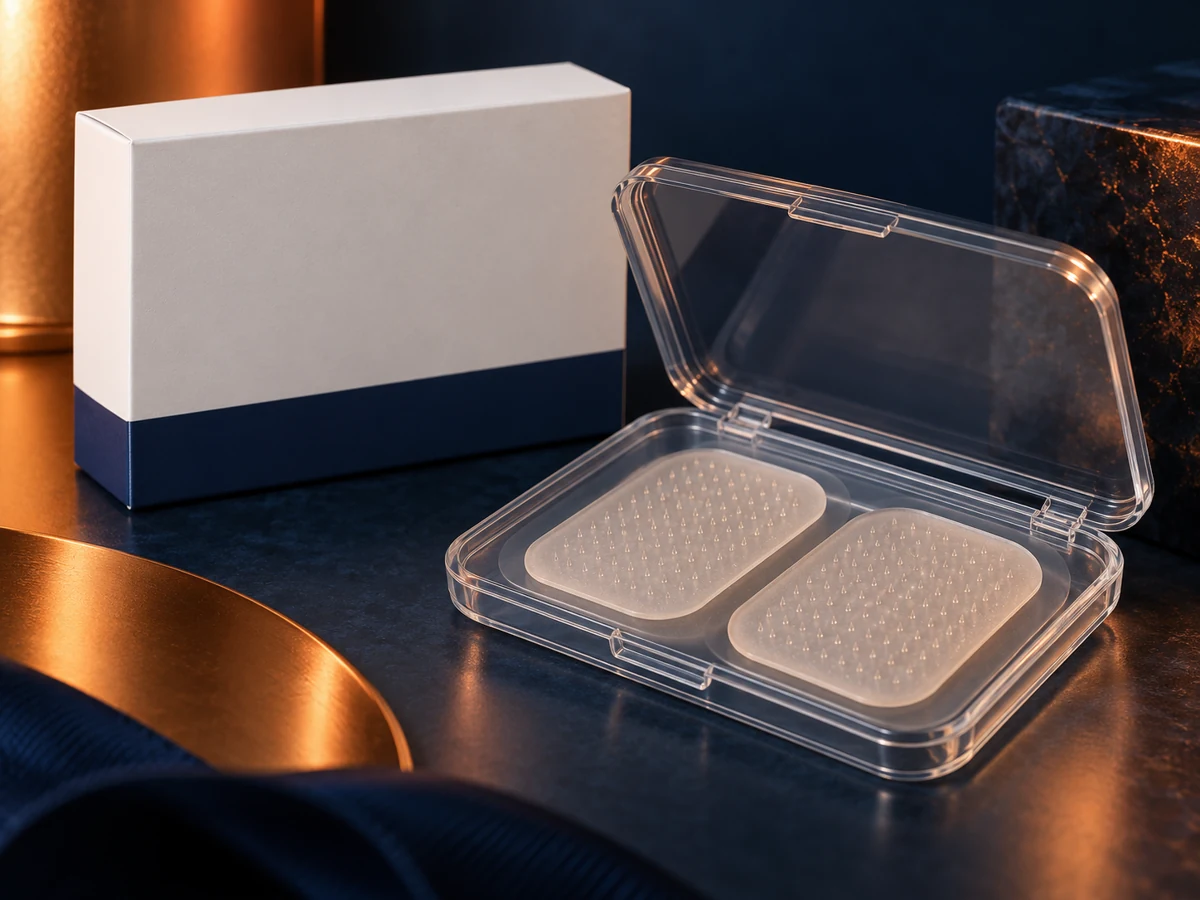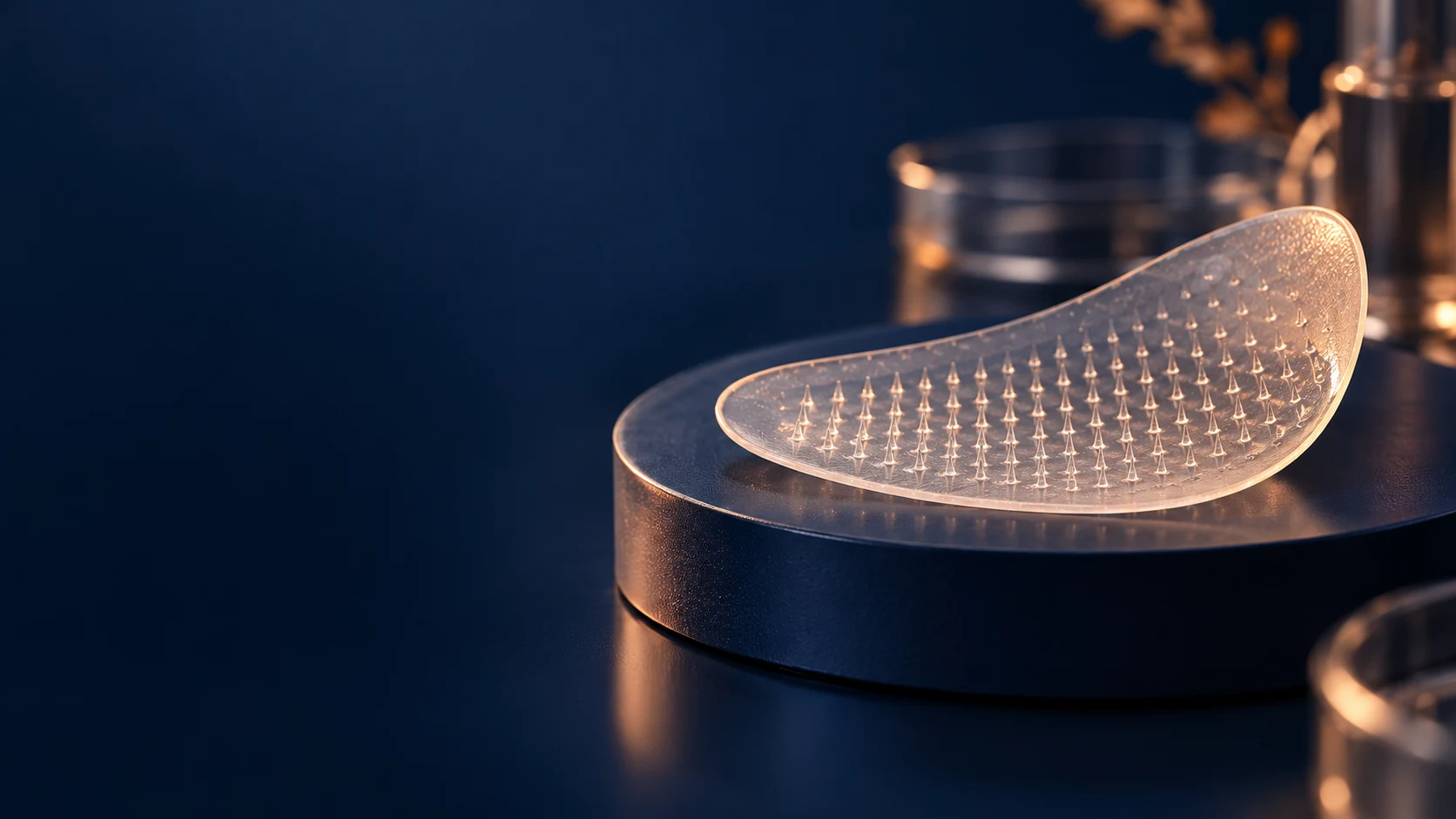
A dissolvable patch and a microneedling device differ in structure and use context. Neither term alone establishes classification, suitability or comparative performance.
Understand what is being compared
Traditional microneedling devices use a needle-based mechanism and may be regulated as medical devices depending on intended use. A dissolvable microarray patch combines a soluble molded structure with a patch format. The products should not be treated as interchangeable.
A difference between microneedling and microneedle patch formats does not establish that one is universally safer, more effective or suitable for consumer use. The comparison should specify the actual products and the evidence available.
Intended use and claims matter
A statement about tissue change, treatment or delivery can influence classification. Describing a product as cosmetic-oriented does not override its design and intended purpose. Regulatory review should take place before the marketing copy is finalized.
The FDA microneedling device information provides context for device use and regulatory considerations. This article is a product-development comparison and does not give treatment or home-use instructions.
Compare the development questions
A patch project should address matrix suitability, array integrity, package protection, handling and the proposed instructions. A device has its own design, performance and applicable regulatory requirements. Ingredient or accessory use can introduce additional questions.
A microneedle patch vs regular patch comparison should likewise focus on structure and evidence. Avoid claiming enhanced penetration or guaranteed wrinkle reduction merely because one product has projections.
Keep the business brief within its scope
HYTANBIO’s website presents cosmetic-oriented patch development concepts. It does not offer medical microneedling equipment, pharmaceutical delivery development or advice on combining devices with skincare ingredients.
For a brand comparing formats, begin with the application, market and evidence needed for a lawful claim. That produces a clearer development brief than selecting a product on the basis of a broad treatment comparison.
Prepare your next project conversation
A useful starting brief identifies the application, target market, ingredient direction, expected quantity and current development stage. Ask which assumptions have been tested, which documents are available and which decisions remain open. Commercial commitments should follow an agreed technical scope.
Explore custom microneedle solutions and R&D and manufacturing planning. For a specific requirement, send a non-confidential project brief.
Common project questions
What should a brand clarify before starting this project?
Define the application, target market, ingredient direction, quantity and project stage. Ask which evidence is available and which questions the proposed work will answer.
Does this guide establish a finished-product claim?
No. The guide explains development considerations. Safety, performance, use instructions and classification require review for the actual finished design.
Development guidance is general. Feasibility, testing, intended use and target-market classification are assessed for each project. Images illustrate development concepts.