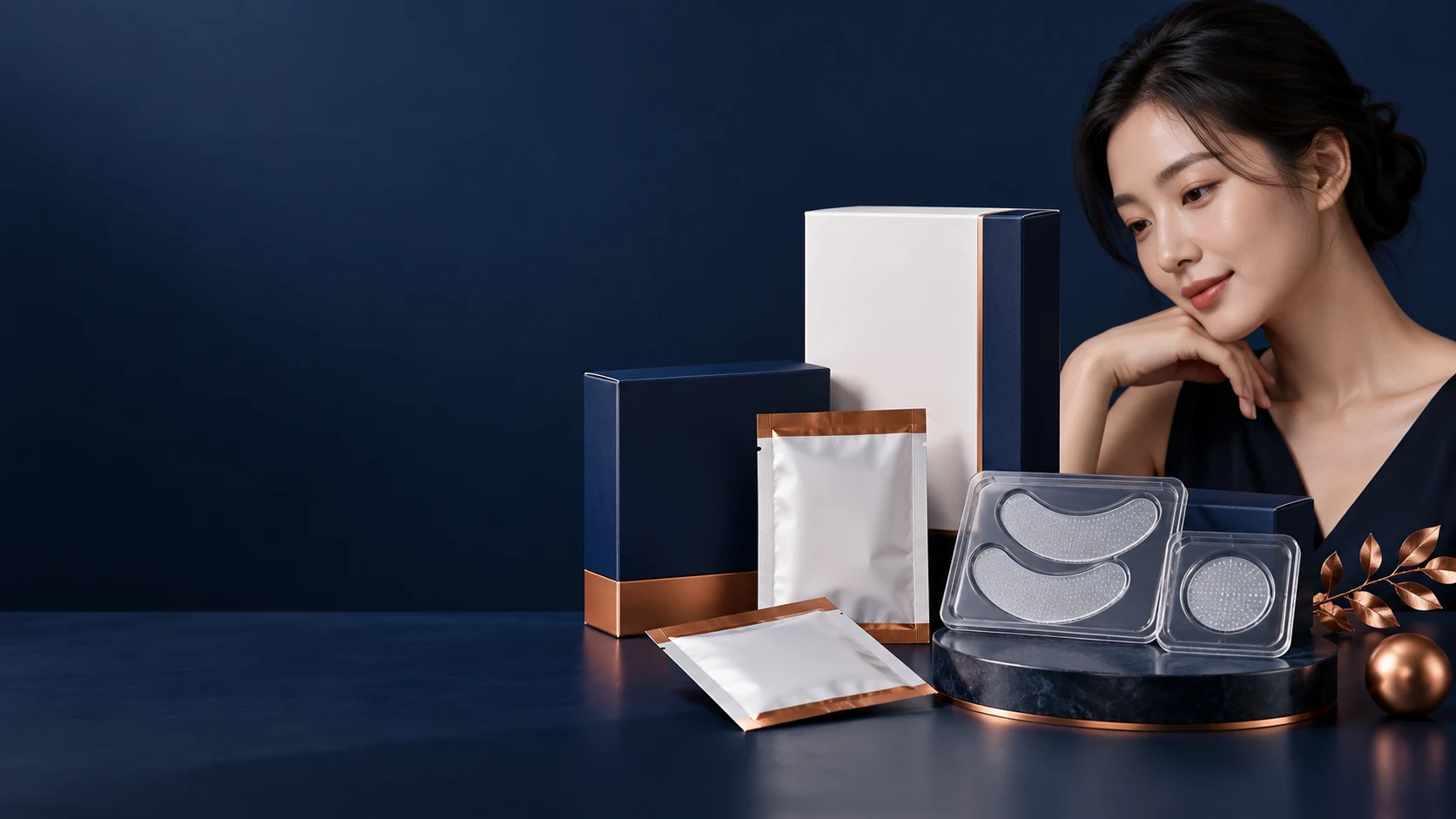
Stability planning considers the microarray, ingredient system and final protective package together. Shelf-life and storage statements require evidence for the actual product.
Stability is more than visible appearance
A soluble array can be affected by moisture exposure and storage conditions. The ingredient system may also change even when the patch looks acceptable. An evaluation plan should identify physical, chemical and packaging questions relevant to the specified product.
A sample without its final package does not represent every condition of a commercial unit. Stability work should connect the formulation version, array design, pack format and intended distribution route.
Define the samples and observations
The agreed plan should identify the product version, package materials, observation points and methods. Morphology, material properties and relevant formulation indicators may be considered where appropriate. Each method has limitations that should be described in the report.
Accelerated observations can help screen potential concerns. They do not automatically establish the shelf life of a dissolvable microneedle patch. A justified storage statement may require additional evidence, including real-time observations.
Moisture protection belongs in the development brief
A foil pouch for microneedle patch storage can be a packaging candidate, but protection depends on the complete material and sealing system. Protective trays should also be reviewed for contact with the array and physical support during transit.
Review packaging compatibility, seal consistency and handling. A premium-looking carton does not demonstrate a moisture barrier, and a foil appearance alone does not establish a package’s protection performance.
Turn observations into documented decisions
If changes are observed, identify the affected formulation, structure or package and define the next investigation. Avoid fixing a shelf-life label before the evidence is reviewed. The release specification and packaging approval should reflect the conclusions of the agreed plan.
For a stability test for cosmetic microneedle patch projects, ask what the study can support and what remains unresolved. Never copy heat stability or cold stability results from a different formula or package without an appropriate justification.
Prepare your next project conversation
A useful starting brief identifies the application, target market, ingredient direction, expected quantity and current development stage. Ask which assumptions have been tested, which documents are available and which decisions remain open. Commercial commitments should follow an agreed technical scope.
Explore custom microneedle solutions and R&D and manufacturing planning. For a specific requirement, send a non-confidential project brief.
Common project questions
What should a brand clarify before starting this project?
Define the application, target market, ingredient direction, quantity and project stage. Ask which evidence is available and which questions the proposed work will answer.
Does this guide establish a finished-product claim?
No. The guide explains development considerations. Safety, performance, use instructions and classification require review for the actual finished design.
Development guidance is general. Feasibility, testing, intended use and target-market classification are assessed for each project. Images illustrate development concepts.