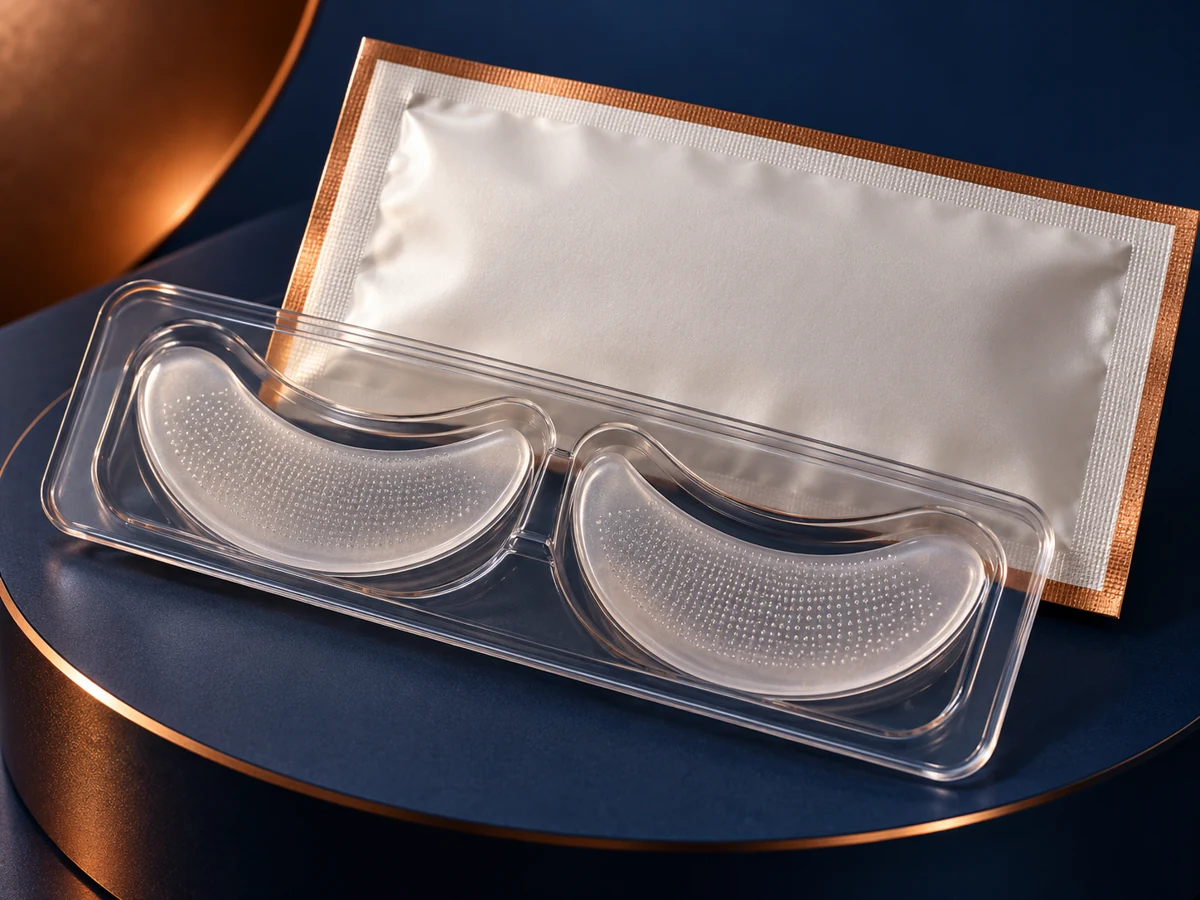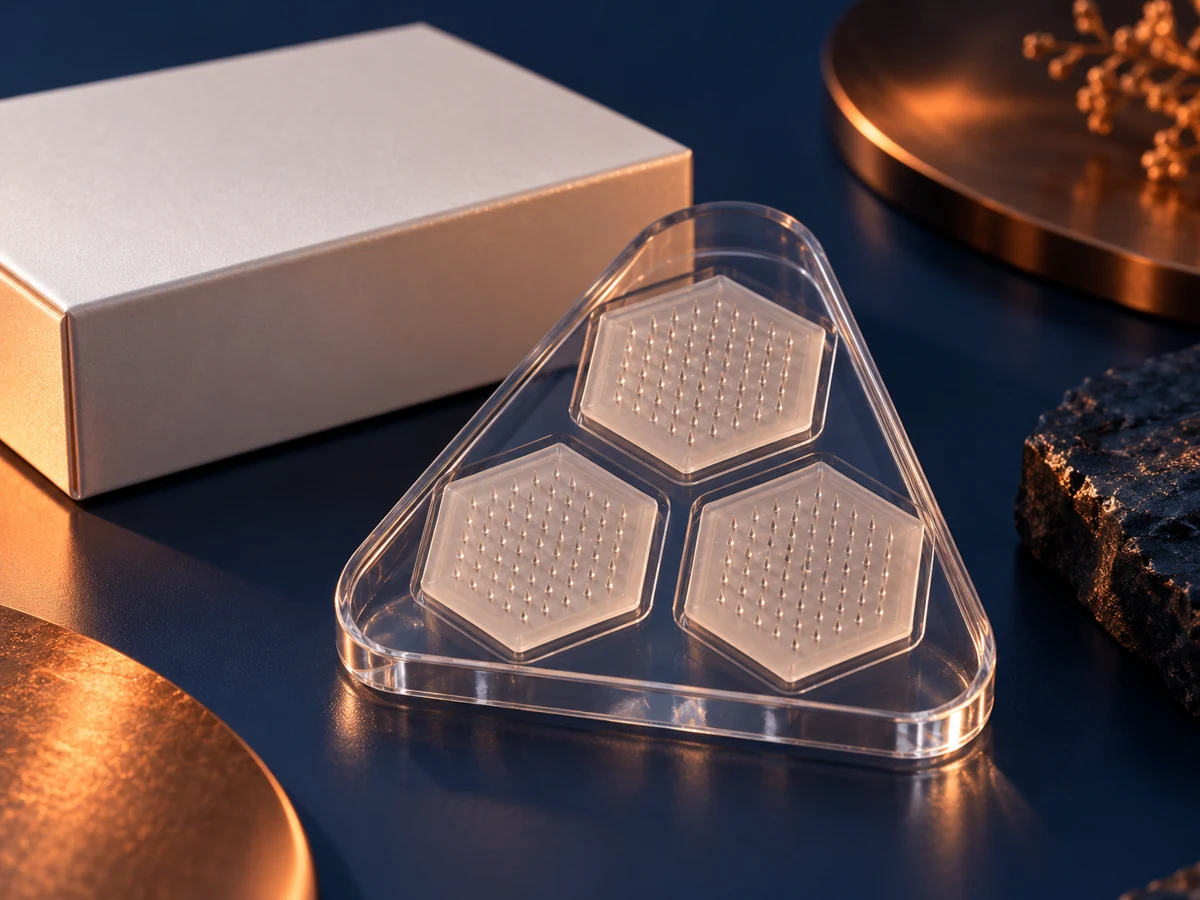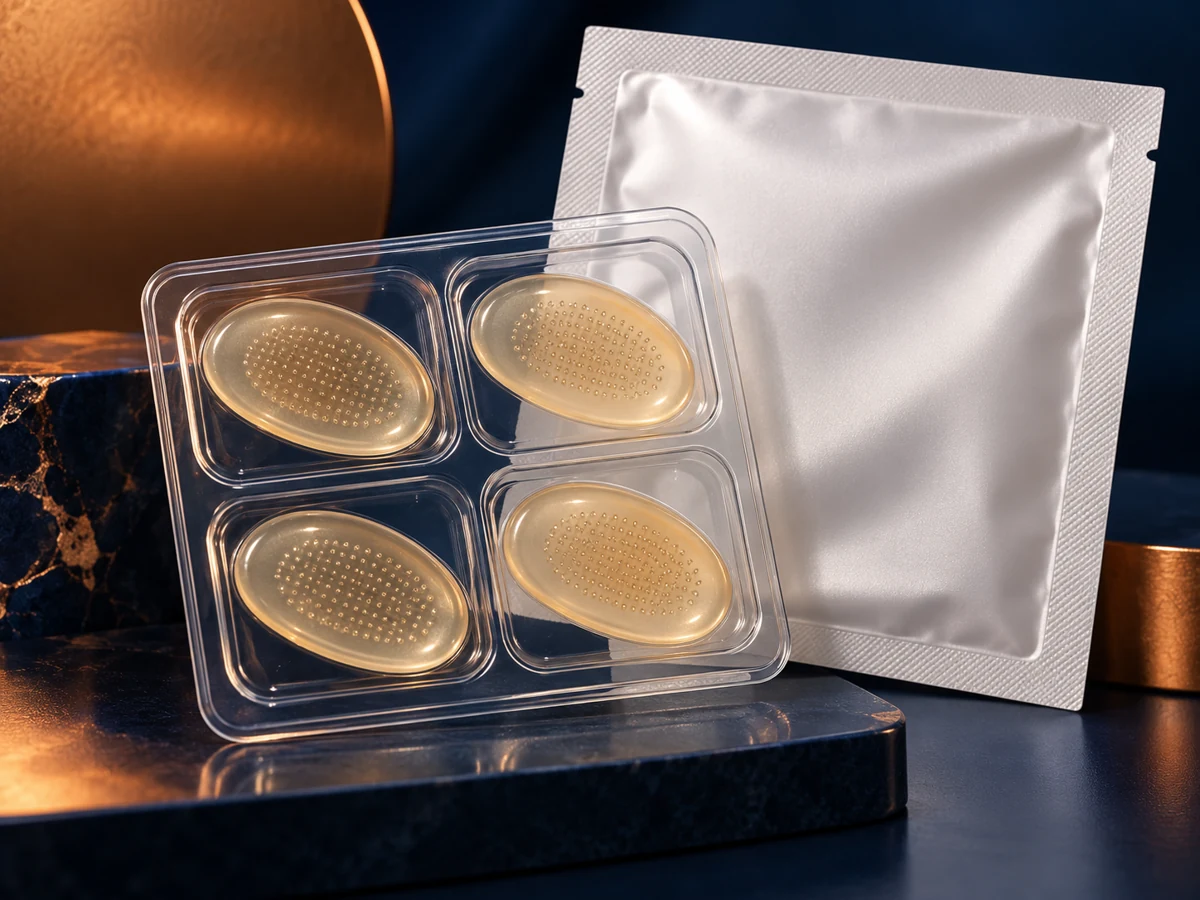
Peptides, hyaluronic acid and other cosmetic ingredient directions can be evaluated for soluble microarrays. Suitability depends on the complete formula, process, package and market.
Begin with identity and intended use
Before asking which cosmetic ingredients can be loaded in a microneedle patch, define the application and proposed claims. The same INCI ingredient may be supplied in different grades or forms, with different sourcing records and analytical information.
A formulation brief should explain why each ingredient is proposed. An ingredient’s popularity in a serum does not establish compatibility with a molded array or the evidence needed for the patch’s intended use.
Peptide concepts need separate compatibility questions
Multi-peptide blends, Acetyl Hexapeptide-8, GHK-Cu and palmitoyl peptide directions can be discussed as cosmetic development concepts. The assessment should address identity, matrix interaction, stability and the ability to evaluate the specified formulation.
Supplier evidence for an ingredient is relevant context. It should not be presented as a study of the finished patch. Product-level appearance claims require evidence appropriate to the final formulation and application.
Other cosmetic ingredients are not interchangeable
Niacinamide microneedle patch, vitamin C microneedle patch and caffeine microneedle eye patch are useful development query themes. Vitamin derivatives, botanicals and other complex systems each introduce their own stability and compatibility questions.
Retinol, collagen, elastin or plant extract concepts should follow a defined feasibility review. It is inappropriate to assume that all cosmetic materials can be incorporated unchanged into a water-soluble matrix or remain suitable after manufacturing and storage.
Agree the investigation before promising a formula
A scoped formulation plan identifies candidate materials, key uncertainties, proposed observations and reporting deliverables. It should distinguish existing evidence from new work and clarify what conclusions the selected methods can support.
Prescription ingredients and pharmaceutical-loaded patch projects are outside this site’s scope. Destination-market restrictions and the whole product’s classification need review even when familiar cosmetic ingredients are used.
Prepare your next project conversation
A useful starting brief identifies the application, target market, ingredient direction, expected quantity and current development stage. Ask which assumptions have been tested, which documents are available and which decisions remain open. Commercial commitments should follow an agreed technical scope.
Explore custom microneedle solutions and R&D and manufacturing planning. For a specific requirement, send a non-confidential project brief.
Common project questions
What are the best active ingredients for a microdart patch?
There is no universal best combination. The intended use, compatibility, safety, evidence and target-market rules determine suitability.
Development guidance is general. Feasibility, testing, intended use and target-market classification are assessed for each project. Images illustrate development concepts.