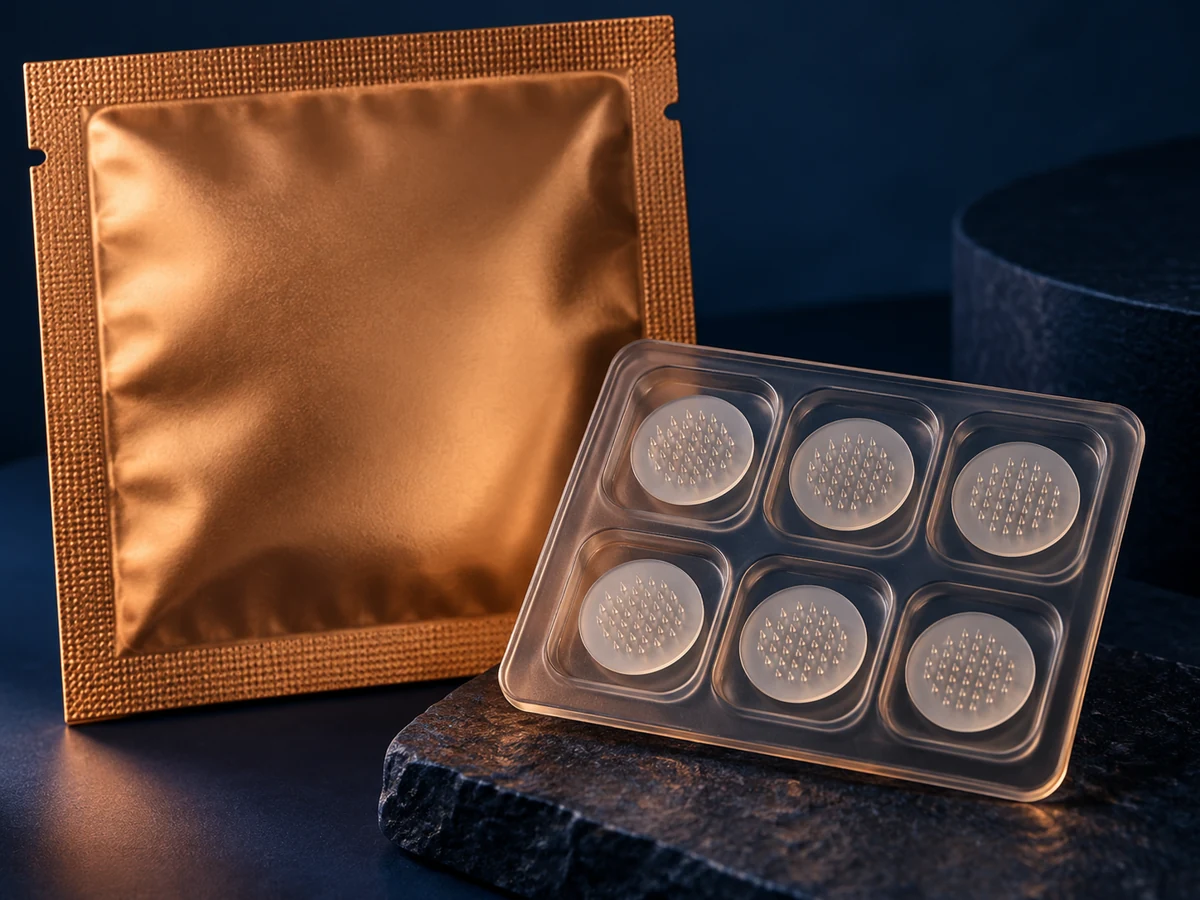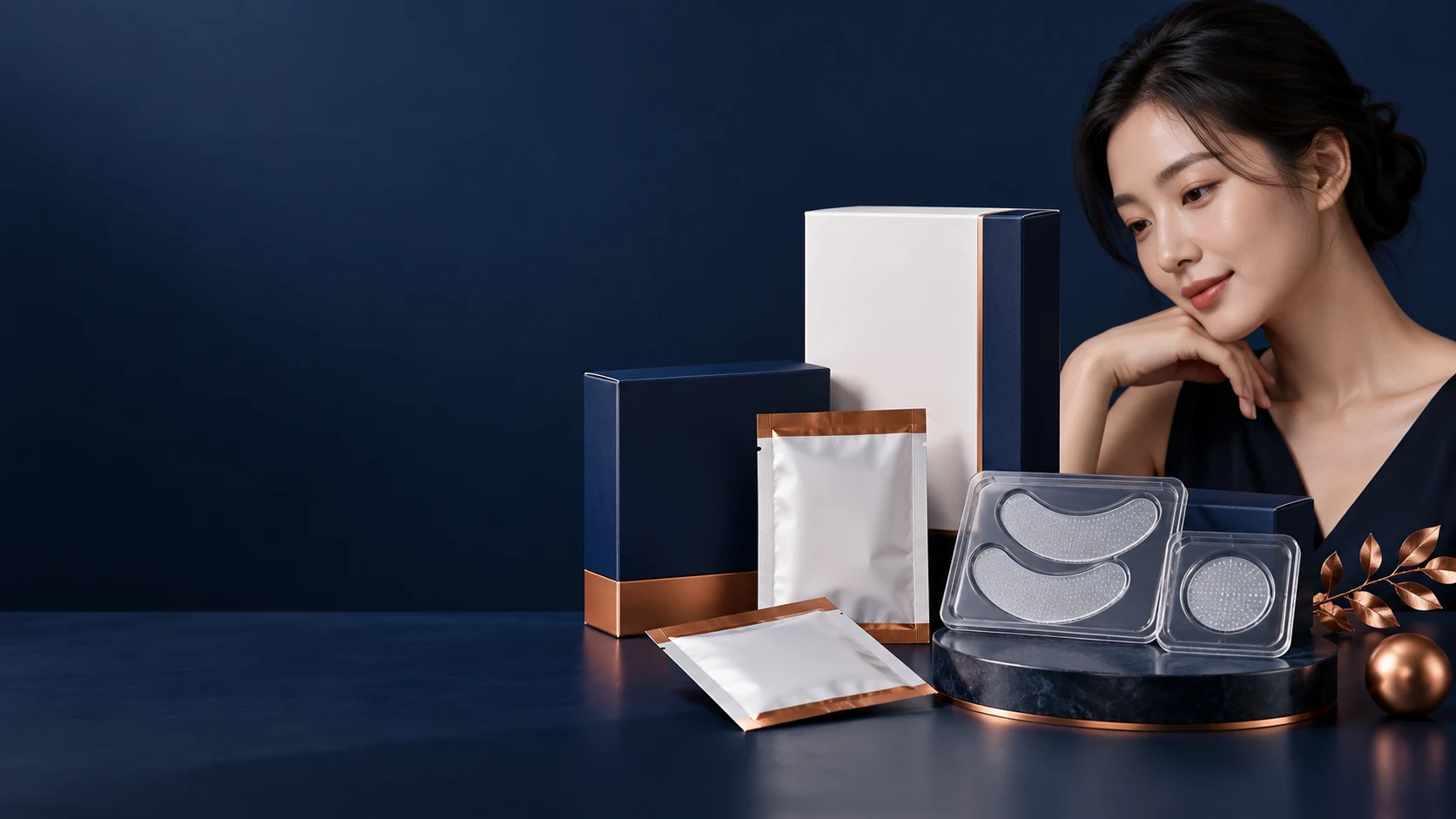
Start with a clear application, target market and evidence plan. A staged development brief helps a skincare startup compare private-label options and control commitments.
Define the product before the packaging
A startup skincare brand private label microneedle patch project should begin with the intended use, target channel and destination market. Define what you want the product to claim and which evidence will be needed. An appealing carton cannot resolve classification or formulation questions.
Choose an application that your team can describe clearly. Eye-area, forehead and cosmetic spot formats each require different handling and instructions considerations. Avoid launching multiple ingredient variants before their development scope is understood.
Compare an existing platform with custom development
A current platform may reduce design work, but it still needs a product-specific review. Fully custom array, formula and package work can support differentiation while adding decisions, testing and possible revision rounds.
The appropriate choice depends on the brand’s objective and evidence needs. Ask for a quotation that separates the costs and deliverables rather than assuming the faster or more customized option is always the right one.
Use clear prototype and pilot gates
A prototype can support defined design questions. A pilot can evaluate a specified process and package together. State the acceptance criteria and who approves each gate before committing to a commercial order.
The development schedule should allow for review and change. Do not promise a fixed launch date until the formulation, tooling, packaging and necessary evidence are sufficiently defined. Samples should not be sold as if they establish commercial readiness.
Plan market responsibilities early
A cosmetic-oriented patch may need a classification review before the relevant cosmetic pathway applies. The brand and importer must identify their responsibilities and supporting documentation. Regional product rules are not resolved by the supplier’s general manufacturing certificate.
For a microneedle patch for skincare brand startup, a complete brief is a better starting asset than a broad request for the lowest price. It creates a basis for technical and commercial decisions that both parties can review.
Prepare your next project conversation
A useful starting brief identifies the application, target market, ingredient direction, expected quantity and current development stage. Ask which assumptions have been tested, which documents are available and which decisions remain open. Commercial commitments should follow an agreed technical scope.
Explore custom microneedle solutions and R&D and manufacturing planning. For a specific requirement, send a non-confidential project brief.
Common project questions
What should a brand clarify before starting this project?
Define the application, target market, ingredient direction, quantity and project stage. Ask which evidence is available and which questions the proposed work will answer.
Does this guide establish a finished-product claim?
No. The guide explains development considerations. Safety, performance, use instructions and classification require review for the actual finished design.
Development guidance is general. Feasibility, testing, intended use and target-market classification are assessed for each project. Images illustrate development concepts.